87+ Timeless Symbols of Freedom That Represent Hope and Independence
Freedom is one of the deepest human desires, and every culture has found its own way to express it. From ancient carvings to modern tattoos, symbols of freedom have always given people a way to show what words sometimes cannot.
This article brings together 87+ symbols of freedom from history, nature, spirituality, and pop culture, explaining what they mean and why they still matter today. Whether you are researching for art, tattoos, or personal meaning, this guide covers everything you need to know about symbols of freedom in one place.
What Are Symbols of Freedom?
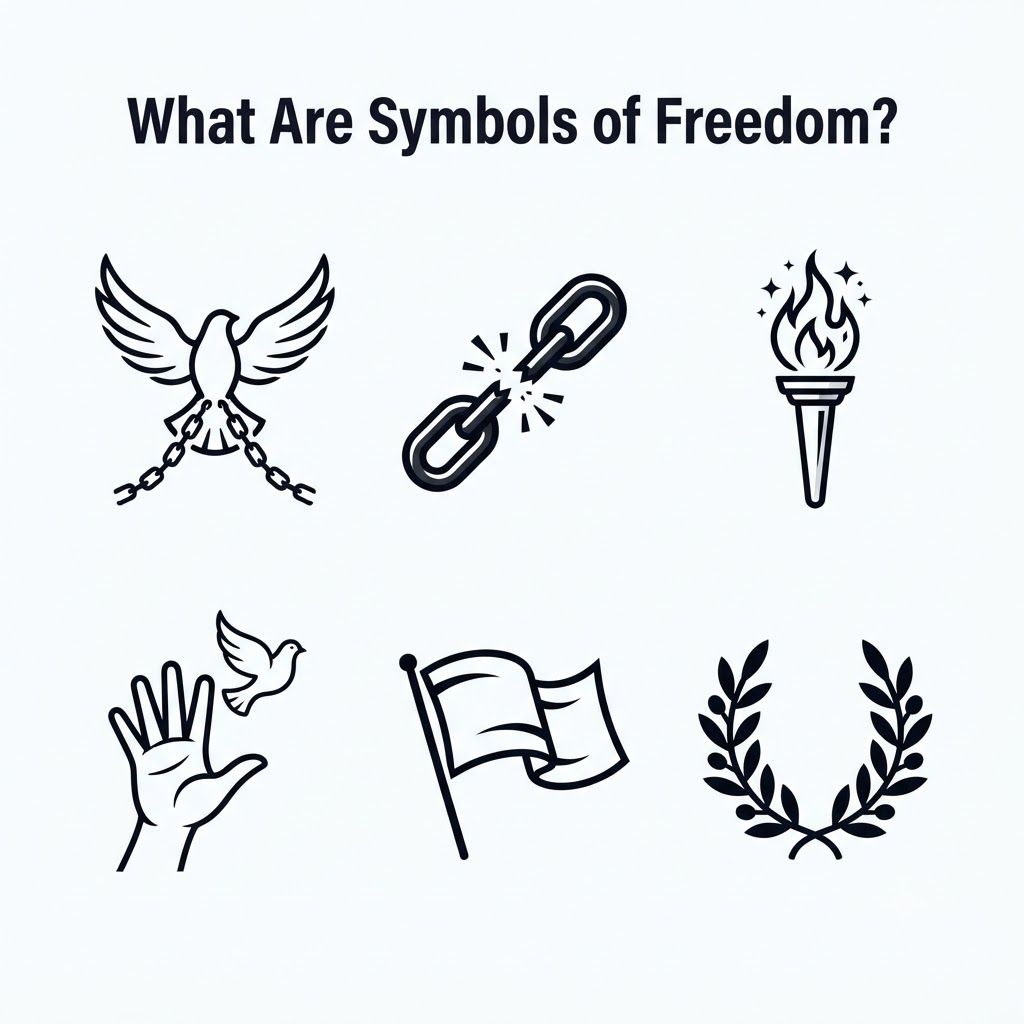
Symbols of freedom are images, objects, animals, or gestures that represent liberty, independence, and the breaking of limits. They can be found in flags, jewelry, tattoos, religious art, and everyday language.
People turn to symbols of freedom when plain words are not enough to express the weight of liberation, whether that freedom is political, spiritual, or personal. Over time, these symbols cross borders and generations, carrying the same core message everywhere they appear: the human wish to live without chains, real or invisible.
Universal And Ancient Freedom Symbols
Some symbols of freedom are so old that their meaning has stayed almost unchanged for thousands of years. Others have become universal simply because so many cultures independently landed on the same imagery. This section looks at the symbols that formed the foundation for everything that came after.
Universal Symbol Of Freedom
The bird in flight is widely considered the most universal symbol of freedom. Its ability to rise above the ground and go wherever it chooses captures the idea of liberty better than almost any other image. Because nearly every culture has skies and birds, this symbol needs no translation, which is exactly why it has lasted so long.
Ancient Symbols Of Freedom
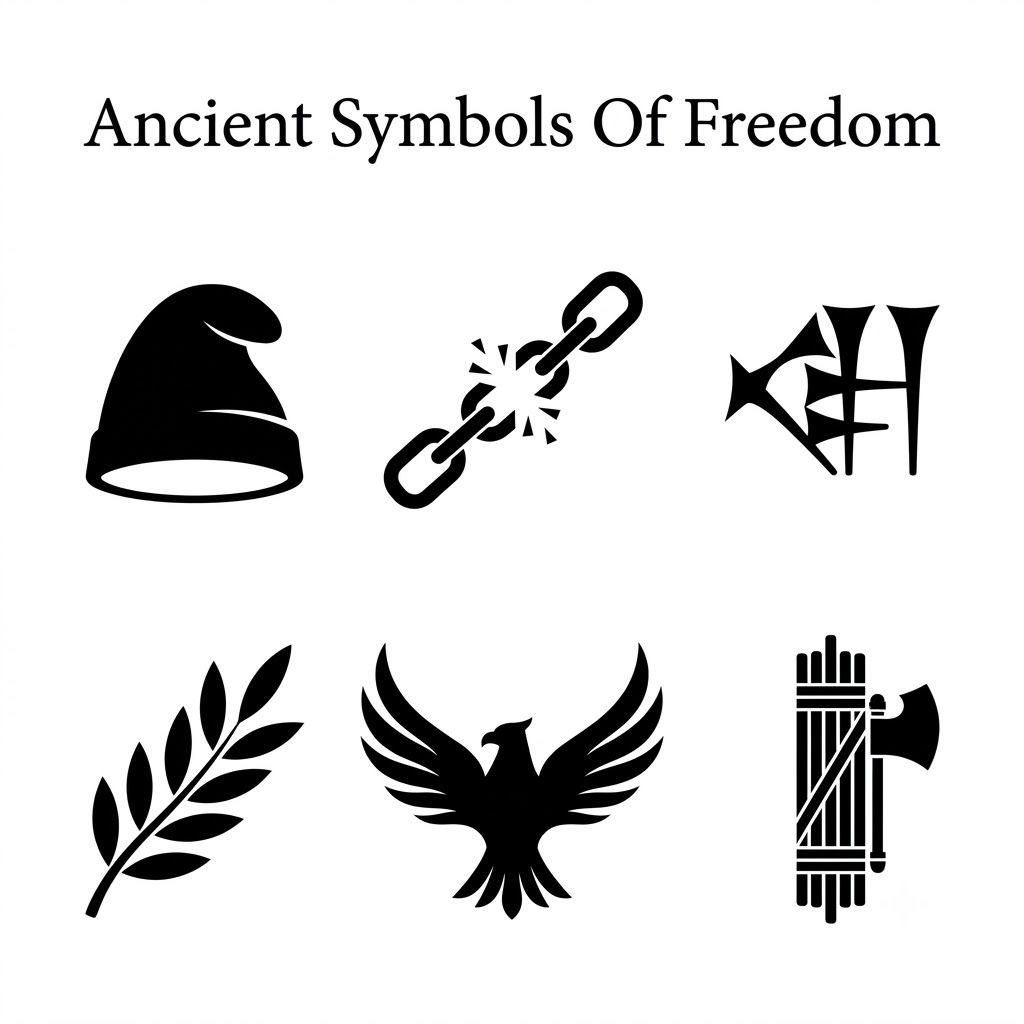
Ancient civilizations relied on strong, simple imagery to express freedom. The phoenix represented rebirth and rising from hardship. The eagle stood for power and fearless independence.
In Rome, the Pileus, a soft conical cap, was given to freed slaves as a public sign of their new status. These ancient symbols of freedom still influence jewelry, tattoos, and modern art today because their meaning has never really faded.
Symbols Of Freedom In Mythology
Mythology is full of stories built around liberation. In Greek mythology, Pegasus symbolized limitless freedom through flight and imagination. In Egyptian belief, the soul was often shown as a bird able to leave the body and travel freely after death.
Norse mythology also used ravens as messengers who moved freely between worlds. These stories show that the idea of freedom has always been tied to movement, flight, and release.
Symbols Of Freedom Tattoos
Tattoos are one of the most personal ways people express symbols of freedom today. Common choices include flying birds, feathers, broken chains, and open wings, each representing a fresh start or a break from past struggles. People choose these designs not just for looks but to permanently mark a turning point in their life.
Tattoos That Symbolize Freedom
Beyond birds and chains, other popular tattoos that symbolize freedom include compasses, butterflies, open doors, and the phrase “free spirit” written in script. Each design carries a slightly different meaning, but all point back to the same theme of independence and moving forward without limits.
Freedom Symbol Tattoo

If you are picking a single freedom symbol tattoo, placement and meaning both matter. A bird on the collarbone often represents rising above hardship, while broken chains on the wrist symbolize release from something that once held you back. Many people combine two symbols, such as a bird breaking free from a chain, to tell a more complete story.
Symbols of freedom in nature
Nature has always been humanity’s first teacher when it comes to freedom. Wide skies, wild animals, and open water all represent something people cannot fully control or contain, which is exactly why they carry such strong meaning. The wind is often described as freedom itself since it moves without boundaries. Wild horses running across open plains represent untamed spirit and independence.
Rivers that flow to the sea show constant movement and change, refusing to stay still. Even the changing seasons remind us that nothing stays locked in one state forever. These natural symbols of freedom remind people that liberty is not just a human invention but something built into the world around us.
Spiritual And Creative Freedom Symbols
Freedom is not only political or physical. Many of the most powerful symbols of freedom come from spiritual practice and creative expression, where liberation often means release from inner struggle rather than outer control.
Symbols Of Freedom In Art
Artists have painted and sculpted symbols of freedom for centuries. Open cages with birds flying out, broken shackles, and figures reaching toward the sky are common themes across paintings and sculptures from different eras. Art gives freedom a visual language that speaks across time, even when the artist and viewer never share the same culture or century.
Spiritual Symbols Of Freedom
In many spiritual traditions, freedom means release from suffering rather than escape from a physical prison. The lotus flower, which grows clean out of muddy water, represents rising above pain and hardship. In Buddhist thought, freedom often means liberation from attachment and desire, a very different idea from political liberty but just as powerful.
Symbol Of Freedom Drawing
A simple symbol of freedom drawing often includes an open birdcage, a bird mid flight, or a figure with arms raised toward an open sky. These drawings work well because they use contrast, something once contained now finally released, to communicate the idea instantly.
Symbols Of Freedom Not American
While the bald eagle and Statue of Liberty dominate American imagery, many other symbols of freedom carry equal weight worldwide. The Fawohodie symbol from the Akan people of Ghana represents independence and self-determination. The lotus flower is central to freedom symbolism across South and Southeast Asia. The Phrygian cap became a symbol of liberty during the French Revolution, long before it had any connection to the United States.
Symbols Freedom
At their core, all symbols freedom share one thread: release from something that once limited a person, whether that limitation was physical, political, or emotional. This shared thread is why symbols from completely different cultures often look and feel so similar.
Deep Symbolic Meaning
Symbols of freedom operate on more than one level at the same time, which is part of why they resonate so strongly with people from very different backgrounds.
Spiritual Level
On a spiritual level, freedom symbols often represent release from suffering, fear, or attachment. This is less about breaking physical barriers and more about inner peace and personal transformation.
Psychological Level
Psychologically, these symbols tap into a basic human need for autonomy and control over one’s own life. Seeing a bird in flight or broken chains can trigger a real emotional response tied to personal struggles, even if the viewer has never experienced physical captivity.
Cultural Level
Culturally, symbols of freedom often carry collective memory. A flag, a bell, or a raised fist can represent an entire nation’s or community’s shared history of struggle and liberation, passed down through generations.
Types / Variations of Symbols of Freedom
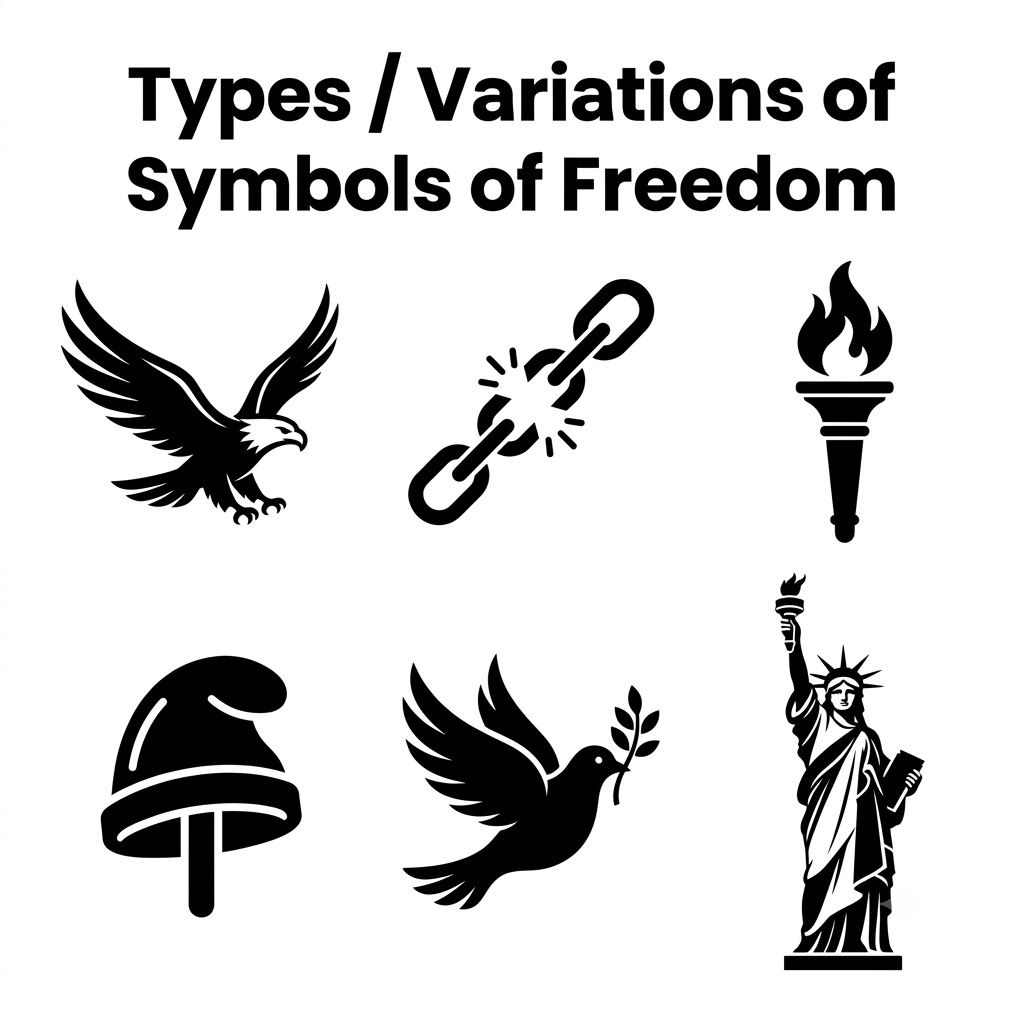
There are countless variations of symbols of freedom, but a handful appear again and again across cultures and time periods. Here is a closer look at the most common ones.
The Bird (Especially Eagle or Dove)
Birds, especially eagles and doves, are among the oldest and most recognized symbols of freedom. The eagle represents strength and fearless independence, while the dove is more closely tied to peace and gentle liberation.
ALSO READ THIS BLOG: 93+ Squid Game Symbols and Their Meanings
Broken Chains
Broken chains directly represent the end of bondage. This symbol is used in tattoos, political movements, and historical monuments to show a clear break from oppression or control.
The Open Road
The open road represents freedom of choice and the ability to go anywhere without restriction. It is closely tied to travel, adventure, and the idea of leaving old limitations behind.
The Butterfly
The butterfly’s transformation from a restricted cocoon into a free flying creature makes it a natural symbol of personal change and liberation.
The Flag
Flags represent collective freedom, tied to a nation’s identity, struggles, and independence. They are flown during celebrations, protests, and memorials as a shared symbol of liberty.
The Key
Keys symbolize unlocking opportunity and access. A key can represent freedom from a locked situation, whether that is a literal space or a limiting circumstance in life.
The Sky
The open sky represents limitless possibility. Its vastness and lack of boundaries make it one of the simplest and most powerful symbols of freedom in art, literature, and daily language.
Here is a quick comparison table of these common symbols of freedom and their core meaning:
| Symbol | Core Meaning |
| Bird (Eagle/Dove) | Strength, independence, peace |
| Broken Chains | End of bondage and control |
| Open Road | Choice and new beginnings |
| Butterfly | Personal transformation |
| Flag | Collective national freedom |
| Key | Unlocking opportunity |
| Sky | Limitless possibility |
Symbols of Freedom Across Cultures
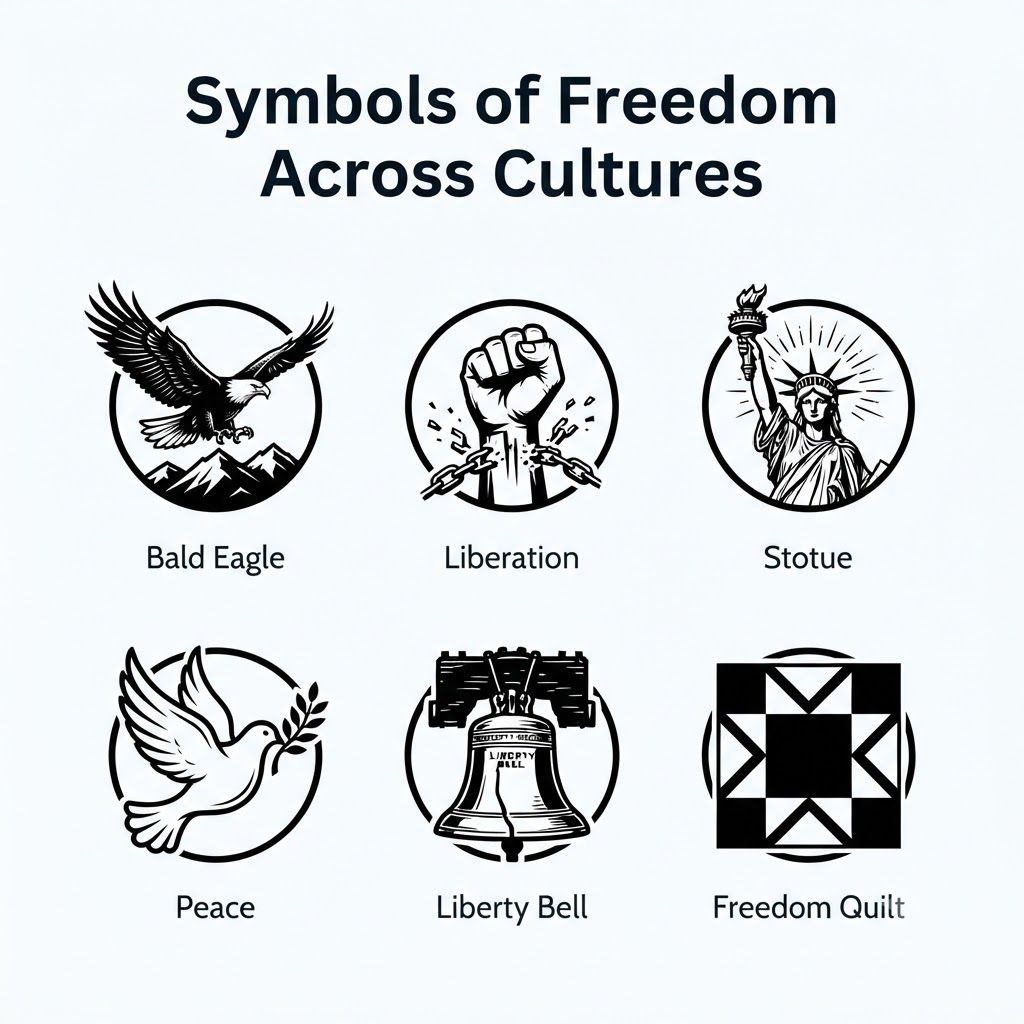
Different cultures have developed their own symbols of freedom, shaped by their unique history and struggles.
Ancient Greece
In Ancient Greece, freedom was tied closely to democracy and civic participation. The olive branch represented peace and independence, often awarded to those who contributed to their community’s liberty.
Ancient Egypt
Ancient Egyptians associated the soul’s journey after death with birds able to fly freely between worlds, linking freedom to spiritual release rather than political rights.
Native American Cultures
Native American cultures often used feathers and eagles to represent freedom, courage, and a strong connection to the natural world. Feathers were earned and worn as marks of honor and independence.
Medieval Europe
In Medieval Europe, freedom was frequently tied to the breaking of feudal bonds. Bells and public gatherings often symbolized the announcement of new liberties or rights granted to common people.
Modern Western Culture
Modern Western culture blends older symbols like flags and eagles with newer ones like raised fists and peace signs, reflecting ongoing struggles for civil rights and personal liberty.
Symbols of Freedom in Art, Movies & Pop Culture

Pop culture has kept symbols of freedom alive and constantly evolving. Films often use open roads, flying scenes, or characters breaking out of literal cages to represent liberation. Music has long leaned on bird imagery, with songs about caged birds singing and flying free becoming anthems for personal and political freedom alike.
Superhero stories frequently use broken chains or shattered restraints as visual shorthand for a character finally embracing their true power. Even fashion has carried freedom symbolism, from the Phrygian cap of the French Revolution to modern streetwear featuring eagles, wings, and bold slogans about independence.
These recurring images prove that symbols of freedom are not stuck in history books, they continue to shape how people express liberty today.
Spiritual & Dream Meaning of Symbols of Freedom
In dreams, symbols of freedom often appear when someone is going through a major life change or seeking release from a stressful situation. Dreaming of flying is one of the most common freedom related dreams, often linked to a desire to escape pressure or limitations in waking life.
Dreaming of broken chains or an open door can signal that the dreamer feels ready to move past an old struggle. Spiritually, these symbols are often seen as messages encouraging the person to let go of fear and step into a more independent chapter of their life.
Positive vs Negative Meaning
Like most powerful symbols, freedom symbols can carry both positive and negative meaning depending on context.
Positive Meaning
In most cases, symbols of freedom represent hope, resilience, personal growth, and the courage to move forward after hardship.
Negative Meaning
In some contexts, symbols of freedom can also represent conflict, rebellion, or even reckless disregard for boundaries and responsibility. A raised fist, for example, can mean unity to one person and confrontation to another.
Why Humans Are Attracted to Symbols of Freedom
People are drawn to symbols of freedom because autonomy is a basic human need, not just a philosophical idea. Everyone experiences moments of feeling trapped, whether by circumstances, expectations, or their own fears, and these symbols offer a visual reminder that release is possible. They also connect people across cultures and generations, since the desire to be free is something almost every human being understands on a personal level, regardless of their background.
Can freedom have a negative meaning?
Yes, freedom can sometimes be linked to chaos, isolation, or a lack of responsibility. Context and intent usually decide whether a freedom symbol feels positive or negative.
Conclusion
Symbols of freedom carry a message that never really gets old. They show up in birds, chains, roads, and even the open sky. Each one tells a story of struggle and hope. People connect with them because everyone wants to feel free in some part of life. That is why these symbols still matter today, just as much as they did centuries ago.
Freedom means something a little different to everyone. For some, it is breaking free from a hard past. For others, it is simply the chance to choose their own path. Symbols of freedom help put that feeling into a picture. They remind us that hope and independence are always worth holding onto. No matter the culture or the century, that message never changes.

Ethan Brooks is a writer and researcher at TechTimeGP, sharing clear and informative guides about symbols, signs, and their meanings. He explores the history, cultural significance, and modern uses of different symbols to help readers understand the stories behind them. His goal is to make symbol meanings simple, accurate, and easy for everyone to discover.