
71+ French Symbols and Their Meanings: The Ultimate Guide to France’s Culture, History and Identity (2026)
France is one of the most symbol rich countries in the world. From its flag to its food, French symbols tell the story of a nation built on revolution, art, and pride. This guide covers over 71 French symbols, their meanings, their history, and why people across the world still connect with them today.
Whether you are a student, a traveler, or just curious about French culture, this article gives you a simple and complete look at French symbols.
What Are French Symbols?
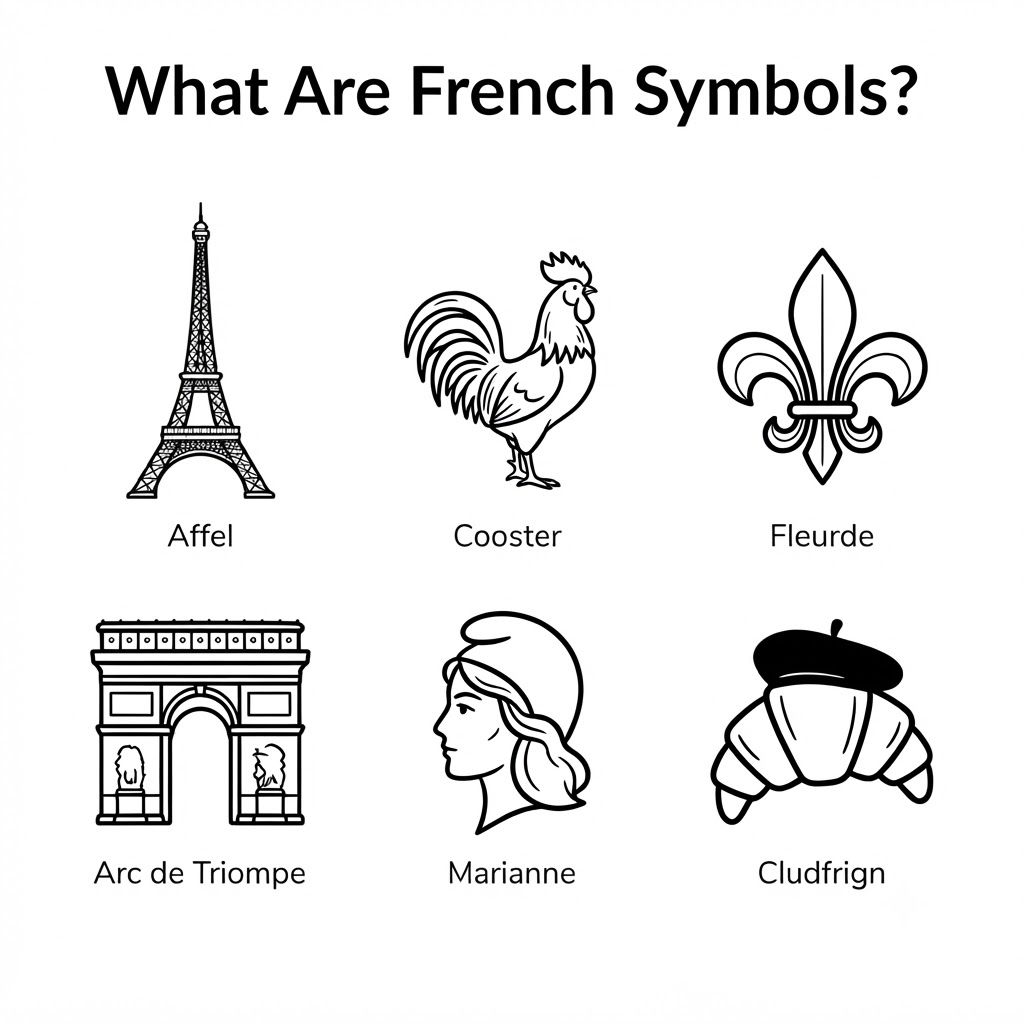
French symbols are images, objects, colors, and ideas that represent France and its people. They can be official, like the flag, or unofficial, like the baguette. Each symbol carries a story about French history, values, or daily life, and together they build the identity of the nation.
French Symbols And Meanings Guide
This section breaks down French symbols and meanings from different angles. Each heading below looks at a slightly different way people search for and understand these symbols. Read through to get a full picture of what French symbols really stand for.
French Symbols And Meanings
French symbols and meanings are closely tied to freedom, pride, and history. The rooster stands for courage, the flag stands for unity, and Marianne stands for liberty. Together these symbols explain why French people feel such strong national pride.
National Symbols In France
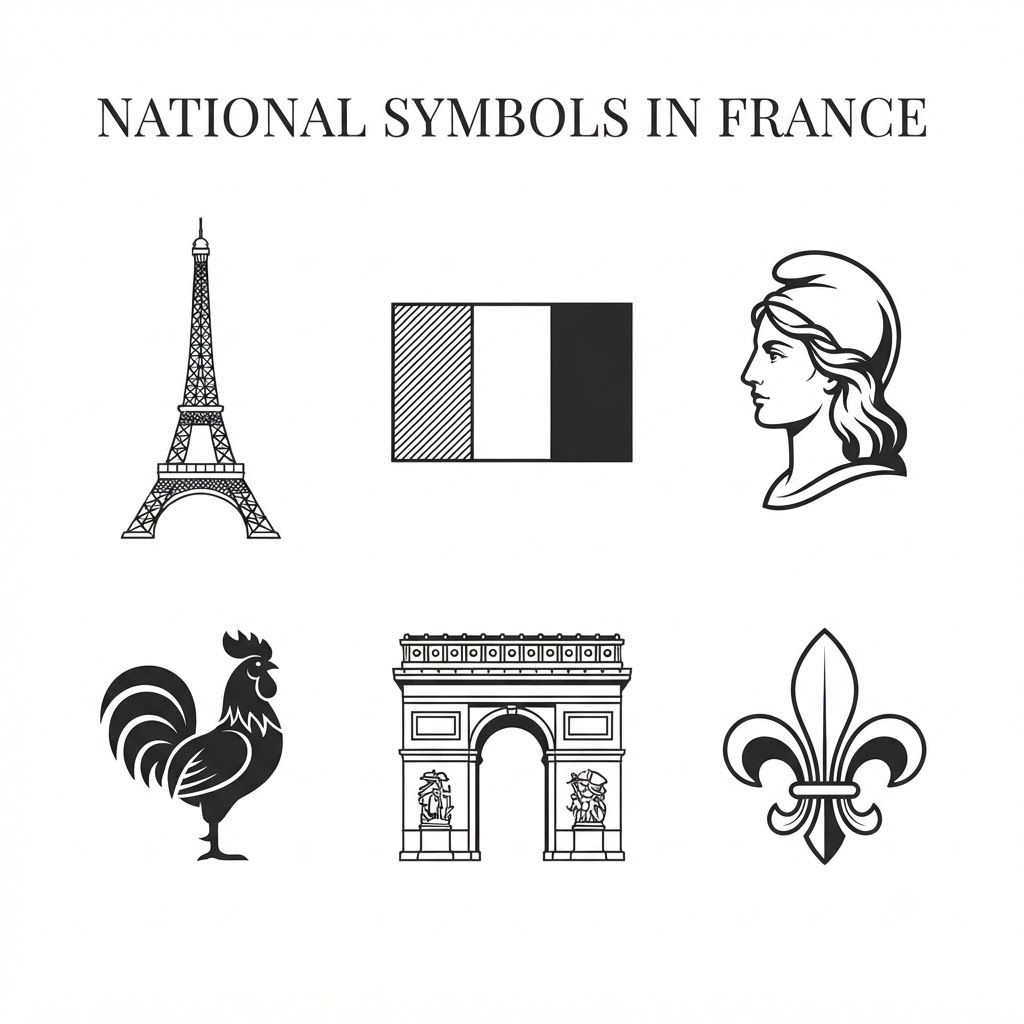
National symbols in France include the tricolor flag, the national motto, the anthem, and the official seal. These are recognized by the French government and appear on public buildings, coins, and documents across the country.
France Symbols
France symbols cover a wide range, from government emblems to everyday cultural icons. Some are centuries old, while others became popular more recently through sport, fashion, or tourism.
Symbols Of France
Symbols of France reflect both its political history and its everyday charm. The Eiffel Tower, the flag, and the fleur-de-lis are some of the most recognized symbols of France around the world.
Iconic French Symbols
Iconic French symbols are the ones people picture first when they think of France. The Eiffel Tower, the beret, and the baguette are simple but powerful examples that appear in movies, adverts, and postcards everywhere.
Famous French Symbols

Famous French symbols like Marianne and the Gallic rooster are known well beyond France’s borders. They show up in sports, politics, and pop culture, keeping French identity visible on a global stage.
Popular French Symbols
Popular French symbols are the ones used most often in daily life. Think of the tricolor cockade, the croissant, and French fashion labels, all of which carry a small piece of national pride.
Traditional French Symbols
Traditional French symbols come from centuries of custom and ceremony. Wine, bread, and lace making are traditional symbols that reflect the slower, craft focused side of French culture.
Ancient French Symbols
Ancient French symbols trace back to the Gauls and early Roman influence on French land. The rooster is one clear example, born from a simple play on the Latin word for both Gaul and rooster.
Ancient French Symbols And Meanings
Ancient French symbols and meanings often connect to survival, land, and early tribal identity. These early symbols laid the groundwork for the national emblems France uses today.
Old French Symbols
Old French symbols appear in castles, old coins, and historic manuscripts. Many of these designs faded from daily use but still show up in museums and heritage sites across France.
Medieval French Symbols
Medieval French symbols were used by knights, kings, and noble families on shields, banners, and seals. The fleur-de-lis was the clearest medieval symbol, marking royal power for hundreds of years.
French Cultural Symbols
French cultural symbols go beyond politics and history into everyday life. Cafes, cinema, fashion houses, and street markets are all part of what makes French culture recognizable worldwide.
French Culture Symbols
French culture symbols highlight the artistic and social side of the country. Wine tasting, art galleries, and long dinners with family are small rituals that carry big cultural meaning.
Symbols Of French Culture
Symbols of French culture show creativity and a love of beauty in daily routines. Fashion, perfume, and cinema are strong examples of how culture becomes symbolic identity.
Things That Represent France

Things that represent France include landmarks like the Louvre, foods like cheese and wine, and even the French language itself. These things create an instant mental picture of the country.
What Are Some French Symbols?
What are some French symbols people usually ask when they picture France. Common answers include the Eiffel Tower, the flag, the beret, the baguette, and the fleur-de-lis.
National symbols of France
National symbols of France are the official emblems recognized by the state. Below is a simple table listing the main ones and what they represent.
| National Symbol | What It Represents |
| Tricolor Flag | Liberty, equality, fraternity |
| Marianne | The French Republic and freedom |
| Gallic Rooster | Courage and national pride |
| La Marseillaise | The national anthem and revolutionary spirit |
| Liberté, Égalité, Fraternité | The national motto |
| Great Seal of France | Official government authority |
French Language And Keyboard Symbols
French symbols are not only visual icons, they also live inside the language itself. Special letters and accents shape how words sound and what they mean. This section covers the written side of French symbols.
French Symbols On Keyboard
French symbols on keyboard include accented letters that are typed using special key combinations or an AZERTY layout. Windows and Mac both offer shortcuts to add these accents quickly.
French Symbols Letters
French symbols letters are the accented versions of normal vowels and the letter c. They change pronunciation and sometimes even the meaning of a word entirely.
French Symbols E
French symbols e include é, è, ê, and ë. Each accent changes how the letter e sounds, from a sharp closed sound to a softer open one.
French Symbols Over Letters
French symbols over letters are called diacritics or accent marks. They sit above vowels to guide readers on stress, pronunciation, and grammar rules.
French Symbols Copy And Paste
French symbols copy and paste tools let users grab accented letters instantly without changing their keyboard settings, which is handy for quick typing on any device.
ALSO READ THIS BLOG: 91+ Powerful Healing Symbols and Their Meanings
Artistic And Popular French Symbols

French symbols show up constantly in art, fashion, and personal style. This section looks at how people use these symbols creatively in tattoos, drawings, and design work.
French Symbols Drawing
French symbols drawing is a popular art style, often featuring outlines of the Eiffel Tower, fleur-de-lis, or a simple French flag sketch.
French Symbols Tattoos
French symbols tattoos are chosen for their elegance and deep meaning. The fleur-de-lis and small tricolor designs are common choices for people wanting a subtle tribute to France.
French Symbol
A french symbol can represent history, romance, or pride depending on how and where it is used, whether on a flag, in jewelry, or in a piece of art.
Fleur De Lis French Symbols
Fleur de lis french symbols are stylized lily flowers that once marked French royalty. Today they stand for purity, light, and French heritage.
Fleur De Lis Fleur De Lis French Symbols
Fleur de lis fleur de lis french symbols shows just how central this emblem is to French identity, appearing again and again across flags, crests, and city logos.
French Symbols Fleur De Lis
French symbols fleur de lis continue to appear on logos, uniforms, and even sports team badges around the world, long after the monarchy that made it famous.
5 Symbols Of France
5 symbols of France that most people know are the Eiffel Tower, the tricolor flag, the fleur-de-lis, the Gallic rooster, and Marianne.
National French Symbols
National french symbols are protected and used by the government, unlike casual cultural icons that grew popular through everyday use.
French National Symbols
French national symbols like the flag and the anthem are taught to schoolchildren from a young age, keeping the meaning alive across generations.
Deep Symbolic Meaning
French symbols carry meaning that goes far beyond their visual design. Many connect to spiritual ideas, personal identity, and shared cultural values. Here is a closer look at those deeper layers.
Spiritual Level
On a spiritual level, symbols like the rooster represent awakening and vigilance, since roosters traditionally announce the sunrise and call people to attention.
Psychological Level
On a psychological level, French symbols like the flag or Marianne can trigger feelings of belonging, pride, and shared identity among French citizens and admirers alike.
Cultural Level
On a cultural level, French symbols connect people to shared history, from revolutionary struggles to modern day national pride during sports events and celebrations.
Types and Variations of French Symbols

French symbols come in different types, each tied to a different era or purpose. The table below compares five major types and their core meaning.
| Symbol | Type | Meaning |
| Fleur-de-lis | Royal emblem | Purity and monarchy |
| Gallic Rooster | Cultural emblem | Pride and courage |
| Marianne | Republican figure | Liberty and the republic |
| Tricolor Flag | National emblem | Unity and revolution |
| Cross of Lorraine | Resistance emblem | Freedom and resistance |
Fleur-de-lis
The fleur-de-lis is a stylized lily that represented French kings for centuries and still appears in heraldry and design today.
Gallic Rooster
The Gallic rooster grew from a simple wordplay in Latin and became an unofficial mascot of French sports teams and national pride.
Marianne
Marianne is the female figure who represents the French Republic, often shown wearing a Phrygian cap that stands for freedom.
Tricolor Flag
The tricolor flag combines blue, white, and red, colors tied to Paris and the monarchy, joined together after the French Revolution.
Cross of Lorraine
The Cross of Lorraine became a symbol of the French Resistance during World War Two, standing for hope and freedom under occupation.
French Symbols Across Cultures
French symbols have changed meaning across different time periods and even across different parts of the world. This section tracks that shift from ancient times to today.
Ancient France
In ancient France, early tribal symbols and Roman influence shaped the earliest versions of French identity, including the roots of the rooster symbol.
Medieval Europe
In medieval Europe, the fleur-de-lis and royal seals defined French power, appearing on shields, banners, and church decorations across the kingdom.
Revolutionary France
In revolutionary France, new symbols like Marianne and the tricolor flag replaced royal emblems, marking a clean break from monarchy to republic.
Modern France
In modern France, symbols mix tradition with pop culture, as old emblems like the rooster now appear on football jerseys and sports gear.
Global Interpretation
Around the world, French symbols are often linked to romance, fashion, and elegance, even when the deeper political history behind them is less known.
French Symbols in Art, Movies and Pop Culture
French symbols show up constantly on screen and canvas. Classic paintings place Marianne at the center of French revolutionary art. Hollywood and French cinema alike use the Eiffel Tower as instant shorthand for Paris and romance. Fashion brands use the tricolor and fleur-de-lis in logos to signal French quality and style. Even video games and animated films often drop in a beret or baguette to hint at a French setting without saying a word.
Spiritual and Dream Meaning of French Symbols
Some people connect French symbols to spiritual or dream meanings beyond their historical roots. A rooster in a dream can suggest a wake up call or a new beginning. The color blue from the flag is often linked to calm and trust, while red can represent passion or sacrifice. Seeing the fleur-de-lis in a dream is sometimes read as a sign of purity or a fresh start, tying back to its old royal roots.
Positive vs Negative Meaning
Like most cultural symbols, French symbols can carry both positive and negative meaning depending on the context and history behind them.
Positive Meaning
In a positive light, French symbols stand for liberty, unity, courage, and cultural pride, values that French citizens celebrate every year on Bastille Day.
Negative Meaning
In a negative light, some French symbols carry painful history, such as the guillotine, which is tied to the violence of the Reign of Terror.
Why Humans Are Attracted to French Symbols
People are drawn to French symbols because they represent romance, elegance, and freedom all at once. French symbols feel familiar even to people who have never visited France, thanks to movies, fashion, and food culture spreading these images worldwide. There is also a deeper pull toward what these symbols represent emotionally, since ideas like liberty and pride connect with universal human values, not just French ones. This mix of beauty and meaning is why French symbols remain popular in tattoos, art, and design across the globe.
Conclusion
French symbols carry centuries of history, pride, and culture in a single image or word. From the tricolor flag to the fleur-de-lis, each symbol tells part of the story of how France became the nation it is today.
Whether you are learning French, planning a trip, or simply curious, understanding French symbols gives you a much deeper appreciation for the country’s identity. Keep this guide handy any time you want a quick, simple reference to the meaning behind French symbols.

Ethan Brooks is a writer and researcher at TechTimeGP, sharing clear and informative guides about symbols, signs, and their meanings. He explores the history, cultural significance, and modern uses of different symbols to help readers understand the stories behind them. His goal is to make symbol meanings simple, accurate, and easy for everyone to discover.