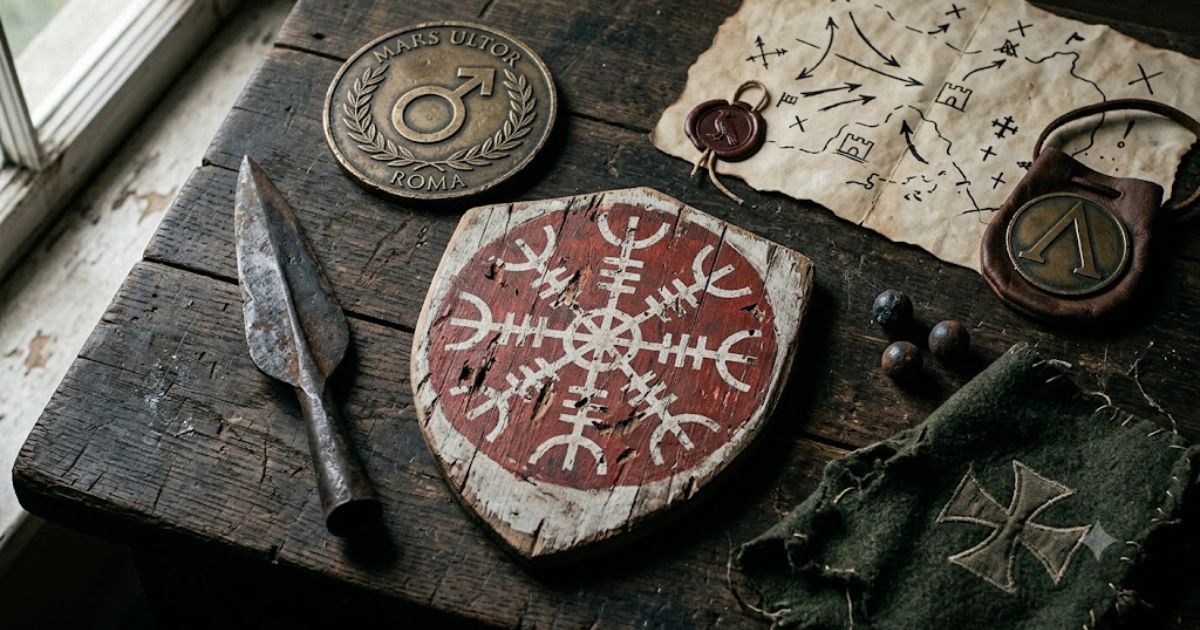
75+ Iconic War Symbols Used By Legendary Warriors And Empires
Throughout human history, war symbols have served as one of the most powerful forms of communication. Long before written language reached every corner of the world, warriors carved marks into weapons, painted signs on shields, and raised battle flags to signal identity, faith, and fearlessness.
These war symbols were not decorations. They carried real meaning, real emotion, and real fear. This guide explores 75+ iconic war symbols, their deep meanings, cultural roots, and why they still matter today.
What Are War Symbols?
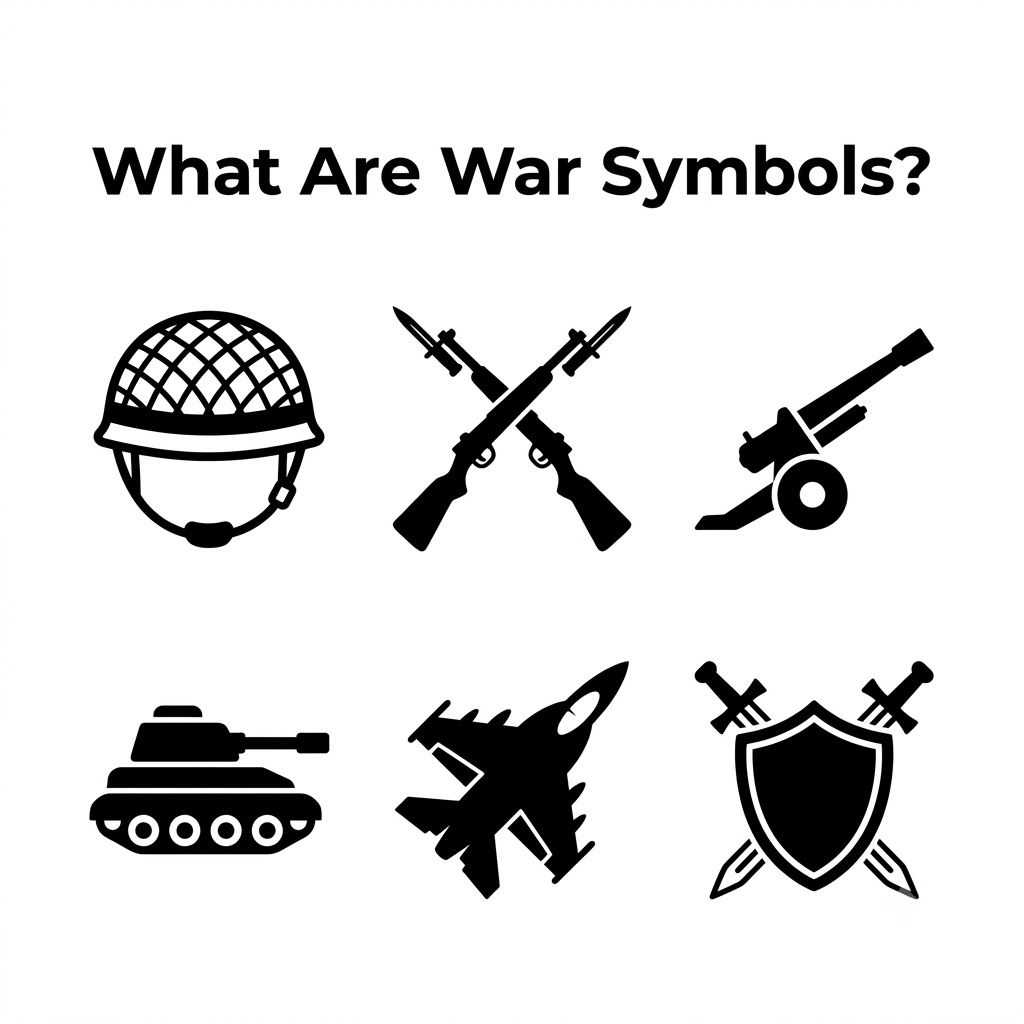
War symbols are visual marks, objects, animals, colors, or emblems directly connected to warfare, military power, victory, protection, or sacrifice. They appear in ancient armies, modern military logos, tattoos, films, and everyday fashion. A sword is not just a weapon. A flag is not just fabric. Each one tells a deeper story about the people who carried it into battle.
Symbols Of War And Their Deep Meanings
War symbols carry layers of meaning that go far beyond the battlefield. Every culture, every era, and every army developed its own set of signs to express bravery, loyalty, and strength. Below is a breakdown of the most important angles of war symbols and what they represent.
Symbols Of War

Common symbols of war include the eagle, sword, skull, shield, dragon, crossed arrows, red poppy, and battle flag. Each one has been used across multiple civilizations to represent conflict, courage, or conquest.
War Symbolism
War symbolism refers to the deeper ideas that military imagery communicates. A broken sword represents defeat. A raised shield means defense. Fire symbolizes both destruction and purification. These layers of meaning make war symbols so enduring.
Symbols That Mean War
Symbols that directly mean war include crossed swords, the Valknut, Ares and Mars emblems, war drums, and military insignia. These signs have been used to declare, begin, or commemorate conflict across centuries.
War Symbols Copy And Paste
Here are popular war symbols you can copy and paste for digital use:
| Symbol | Name | Meaning |
| ⚔ | Crossed Swords | Battle, conflict |
| 🛡 | Shield | Defense, protection |
| 🪖 | Helmet | Military readiness |
| 💣 | Bomb | Destruction, danger |
| 🏹 | Bow and Arrow | Warrior skill |
| 🔱 | Trident | Naval power, Poseidon |
| ☠ | Skull | Death, danger |
| 🐉 | Dragon | Power, chaos |
War Symbols Tattoos

War symbols tattoos are extremely popular for expressing strength, survival, and heritage. Common tattoo choices include the Spartan helmet, Viking Valknut, crossed swords, skull and crossbones, samurai mon crests, and tribal warrior markings. These designs carry personal and historical weight that many people find deeply meaningful.
Symbols For War
Symbols for war vary across regions. In Europe, the sword and cross dominated. In Asia, the dragon and tiger were used. In the Americas, thunderbirds and two arrows represented conflict. In Africa, the Akoben war horn was a powerful signal of readiness.
Famous Ancient And Historical War Symbols
Ancient civilizations left behind a rich legacy of war symbols that historians and enthusiasts still study today. These symbols helped armies identify allies, intimidate enemies, and connect with divine power before battle.
War Symbols Emoji
Modern digital culture has adopted war symbols into emoji form. The most used include ⚔ (crossed swords), 🪖 (military helmet), 💣 (bomb), and 🛡 (shield). These are widely used in gaming, social media, and military themed content.
War Symbols WW2
World War 2 produced some of the most recognized war symbols in modern history. These included national military insignia, division patches, resistance group marks, and propaganda imagery from all sides of the conflict. Many remain important historical records today.
War Symbols And Meanings
Every war symbol carries specific meaning based on its cultural and historical context. Eagles mean power and authority. Skulls mean death and danger. Poppies mean remembrance and sacrifice. Swords mean justice and warrior honor.
Ancient War Symbols

Ancient war symbols include the Roman Aquila eagle, the Spartan lambda shield marking, Viking runes, Egyptian Ankh, Celtic boar, Aztec Xochiyaoyotl flower, and Maori Tumatauenga carvings. These symbols connected warriors to gods, ancestors, and identity.
War Symbols Greek
Greek war symbols were deeply tied to mythology. Ares, the god of war, was represented by the spear and helm. The Gorgon head appeared on shields to terrify enemies. The Spartan lambda on shields became one of history’s most recognized military markings.
Symbols Of War In Mythology
Across world mythology, war symbols connected human warriors to divine beings. Thor’s hammer Mjolnir represented thunder and battle power in Norse tradition. Ares carried a spear and wore a war helmet in Greek myths. Hachiman in Japanese mythology used a dove as his war messenger, and his emblem the mitsu tomoe appeared on samurai banners.
What Symbolizes War?
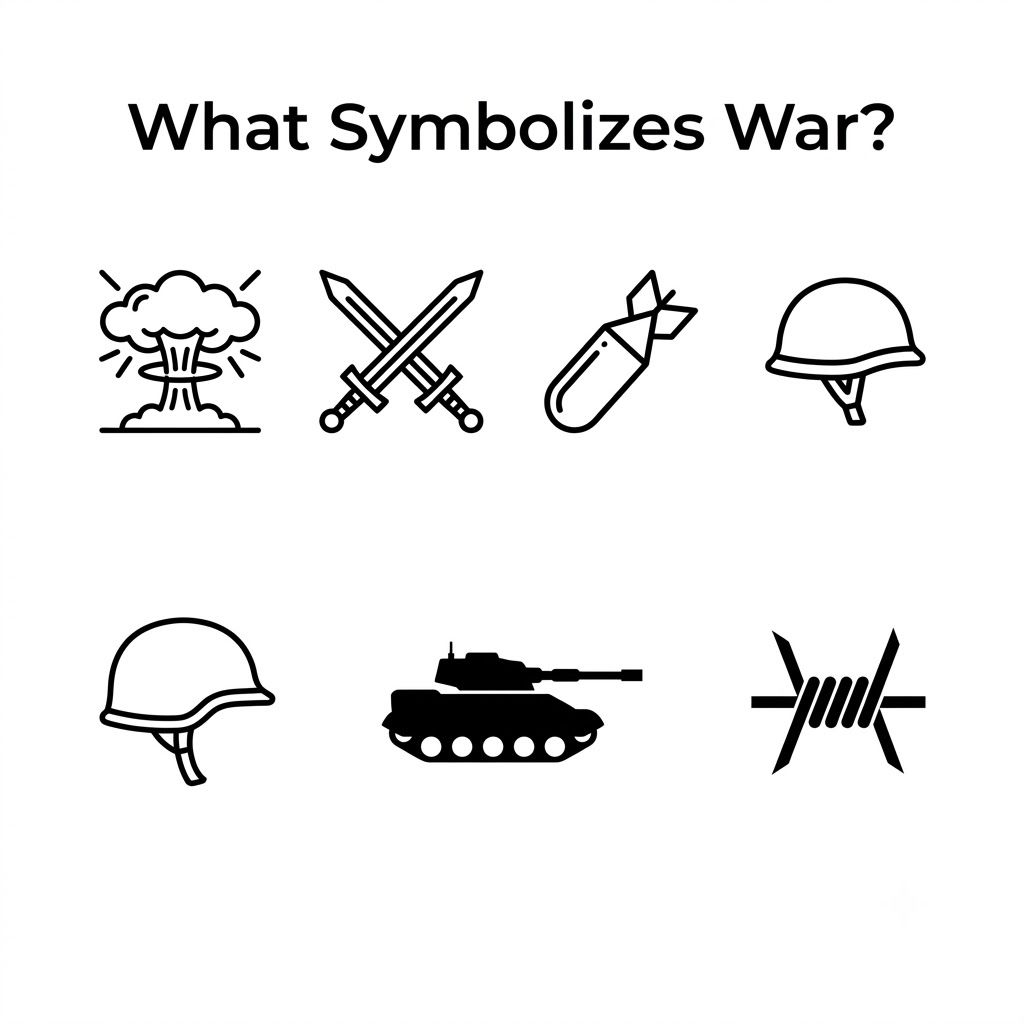
War is symbolized by weapons like swords and spears, powerful animals like eagles and wolves, fire, destruction imagery, battle flags, armor, and military crests. Together, these elements form the visual language that humans have used to represent conflict for thousands of years.
Deep Symbolic Meaning of War Symbols
Beyond the battlefield, war symbols carry meaning at a spiritual, psychological, and cultural level. Understanding this depth explains why these symbols remain so powerful long after the battles are over.
Spiritual Meaning
In many cultures, war symbols were believed to carry divine protection. Warriors painted runes and crests before battle to invite the favor of their gods. The Roman eagle was thought to carry Jupiter’s blessing. Samurai wore clan crests as spiritual armor. These symbols connected mortal soldiers to immortal power.
Psychological Meaning
Psychologically, war symbols work because humans respond strongly to visual signs tied to emotion and memory. When a soldier sees the flag of their nation, they feel identity, loyalty, and purpose. Symbols unify groups, boost morale, and create fear in enemies. This is exactly why ancient armies and modern militaries both invest heavily in symbolic imagery.
Cultural Meaning
Culturally, war symbols preserve the stories of civilizations. A carved boar on a Celtic shield tells you about that tribe’s values. A samurai mon crest identifies a warrior’s family lineage. These symbols are living records of how cultures understood honor, duty, and conflict.
Powerful Types of War Symbols and Their Meanings
Some war symbols have appeared across so many cultures and time periods that they deserve their own deep examination. Here are the most powerful ones.
Eagle Symbol
Visual Description
A large bird with spread wings, often shown clutching arrows, a sword, or lightning bolts in its talons.
Meaning
Power, dominance, freedom, divine authority, and military victory. The eagle’s ability to soar above all other creatures made it a symbol of empire level strength.
Where It Appears
Ancient Rome’s Aquila standards, the US Presidential Seal, Aztec eagle warrior orders, and countless modern military insignias worldwide.
Sword Symbol
Visual Description
An upright or crossed blade, sometimes wrapped in laurel leaves, flames, or religious imagery.
Meaning
Honor, justice, sacrifice, and the weight of warrior responsibility. The sword represents both the power to protect and the duty to serve.
Where It Appears
Medieval European knighthood, samurai traditions in Japan, Islamic caliphate banners, and modern military rank insignia.
Skull and Crossbones
Visual Description
A human skull placed above two crossed bones, usually shown in white against a dark background.
Meaning
Death, danger, fearlessness, and defiance. Pirates used it to terrorize. Modern armies use it to mark elite units or hazardous materials.
Where It Appears
Pirate flags, poison warnings, military death’s head units in WW1 and WW2, and biker culture tattoos.
Red Poppy Symbol
ALSO READ MORE: Winter Symbols Explained The Spiritual Messages of Snow, Fire and Silence for 2026
Visual Description
A bright red flower with delicate petals and a dark center, often worn as a small pin or badge.
Meaning
Remembrance, sacrifice, and the lives lost in war. The red poppy became the universal symbol of fallen soldiers after World War 1.
Where It Appears
Remembrance Day ceremonies, war memorials, military charity campaigns, and lapel pins across Commonwealth nations.
Shield Symbol
Visual Description
A broad, flat protective surface, often decorated with family crests, animal imagery, or national emblems.
Meaning
Defense, protection, loyalty, and warrior identity. The shield represents both physical protection and the values a warrior fights to defend.
Where It Appears
Greek hoplite armies, Roman legions, medieval European heraldry, and modern national coats of arms.
Dragon Symbol
Visual Description
A large serpentine or winged creature, often shown breathing fire and clutching treasure or enemies.
Meaning
In Asian cultures, dragons represent divine power, protection, and imperial authority. In European traditions, they often symbolized chaos, destruction, and the enemy to be conquered.
Where It Appears
Chinese imperial military banners, Welsh national flag, Viking ship carvings, and Game of Thrones inspired modern tattoos.
War Symbols Across Cultures
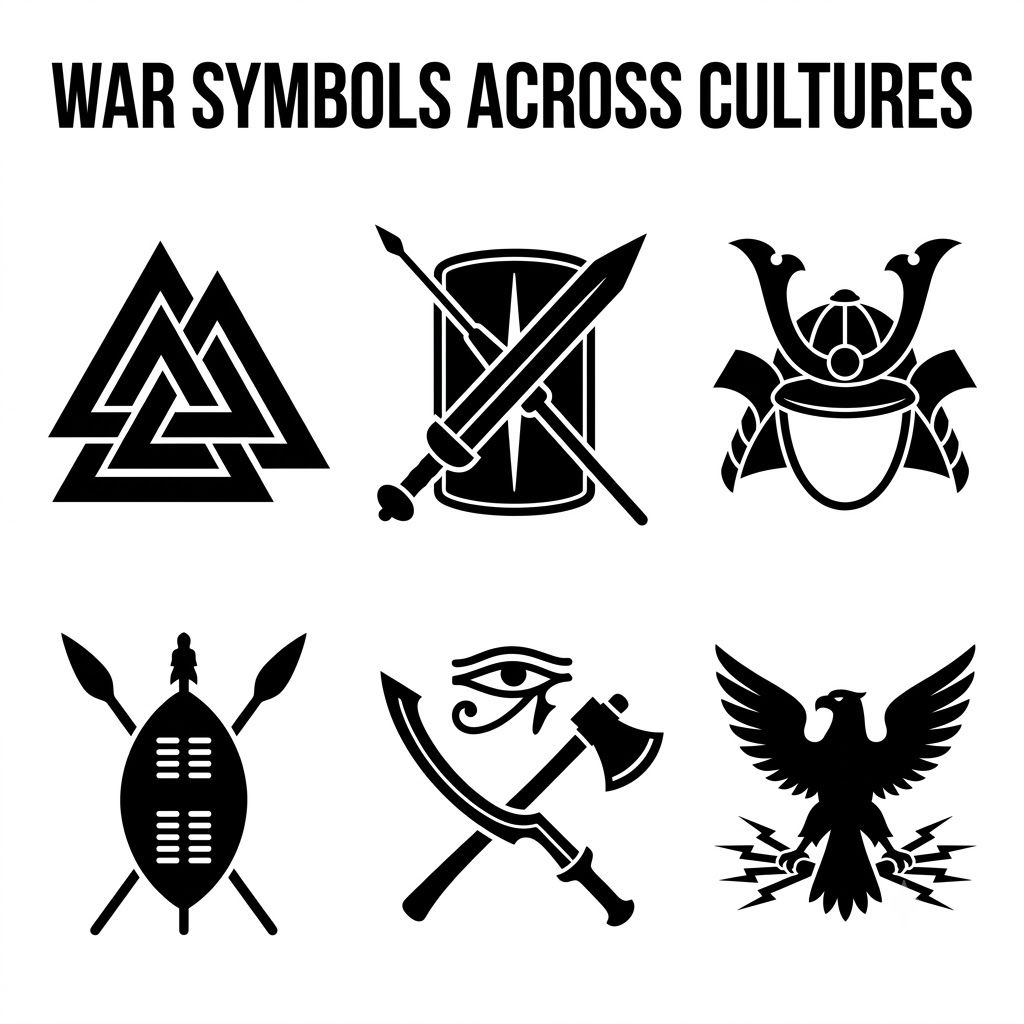
Different civilizations developed their own unique war symbols based on their values, environment, and beliefs. Studying these cross cultural symbols reveals how universally human the experience of war truly is.
Ancient Roman Culture
Romans used the eagle (Aquila) as the supreme military symbol. Legions also carried the Vexillum, a flag standard representing their unit’s honor and identity. Losing either in battle was considered a devastating disgrace. The gladius sword and SPQR inscription were also powerful Roman war symbols.
Viking Culture
Vikings believed symbols provided supernatural protection in battle. The Valknut, a symbol of three interlocked triangles, was connected to Odin and the battlefield dead. The Helm of Awe (Aegishjalmur) was carved or painted to inspire fearlessness. Warriors inscribed these war symbols on shields, weapons, and ships.
Japanese Samurai Culture
Samurai war symbols reflected honor, loyalty, and discipline. Each clan used a mon (family crest) to identify themselves during battle. Cherry blossoms symbolized the brief, beautiful life of a warrior. The mitsu tomoe emblem appeared on samurai banners and represented the three worlds of heaven, earth, and the underworld.
Native American Cultures
Many Native American tribes used the two arrows symbol, where arrows pointing in opposite directions signified conflict and readiness. The Thunderbird represented divine power and protection during war. War paint in different colors carried specific meaning. Red meant strength, black meant victory, and white meant peace.
Medieval European Culture
Medieval European war symbols centered on heraldry, the system of crests and emblems used to identify knights and nobles in battle. Lions appeared on English royal banners. Crosses marked Crusader armies. Eagles flew above Holy Roman Empire forces. Every castle, every lord, and every knight had a symbol tied to their identity and honor.
War Symbols in Art, Movies and Pop Culture
War symbols have moved far beyond the battlefield into art, entertainment, and everyday culture. Their power translates perfectly into storytelling and visual media.
In Movies
Films like Gladiator, Braveheart, 300, and Saving Private Ryan are full of war symbols. The Spartan lambda shield, the Roman eagle standard, and the American flag each carry enormous emotional weight in these stories. Directors use these symbols to tell audiences instantly what a character stands for.
In Paintings
Famous war paintings like The Death of Nelson and Guernica by Picasso are loaded with symbolic imagery. Broken swords, fallen flags, and wounded warriors all function as war symbols that communicate loss, resistance, and the cost of conflict far more powerfully than words alone.
In Books
Literature from Homer’s Iliad to Tolkien’s Lord of the Rings uses war symbols to build worlds and characters. Achilles’ shield, the One Ring, and the White Tree of Gondor all function as deeply layered symbols connected to conflict, power, and sacrifice.
In Tattoos
War symbols tattoos are one of the most popular categories in the tattoo industry. Spartan helmets, Viking runes, crossed swords, skull and crossbones, and tribal warrior marks are among the most requested designs. People choose them to express personal strength, honor family military heritage, or connect with historical warrior culture.
In Fashion
War symbols appear regularly in streetwear, military fashion, and luxury brands. Camouflage patterns, eagle emblems, skull prints, and Viking inspired jewelry are all rooted in the long history of warrior imagery. These designs let everyday people wear the spirit of warriors.
Spiritual and Dream Meaning of War Symbols
When war symbols appear in dreams, many traditions believe they carry important messages about your inner life, personal battles, and spiritual journey.
Seeing Swords in Dreams
A sword in a dream often represents decision making, justice, and the need to cut through confusion. Carrying a sword means you feel ready to face a challenge. A broken sword may signal defeat, loss of confidence, or the end of a conflict.
Seeing Flags or Banners
Dreaming of a flag or battle banner often symbolizes loyalty, identity, and the causes you stand for. A falling flag can represent surrender or the end of a chapter in your life.
Seeing Battles or Armor
Dreams of battles often reflect internal struggles. Armor in a dream suggests you are protecting yourself emotionally. Winning a dream battle may signal that you are overcoming a personal challenge with strength and persistence.
Positive vs Negative Meaning of War Symbols
War symbols carry both inspiring and sobering meanings. Understanding both sides gives a complete picture of what these symbols truly represent.
Positive Meanings
War symbols at their best represent courage, sacrifice, protection, unity, and the defense of family and community. The red poppy honors fallen heroes. The eagle inspires national pride. The shield reminds warriors of what they are defending. These positive meanings explain why so many people proudly display war symbols even in peacetime.
Negative Meanings
At their darkest, war symbols have been used to spread fear, promote oppression, and glorify destruction. Certain insignia from WW2 remain deeply painful symbols of genocide and cruelty. Understanding these negative meanings is essential for responsible engagement with the history of war symbols.
Why Humans Are Attracted to War Symbols
Humans are drawn to war symbols because they speak directly to something deep in the human spirit. These symbols represent the struggle between survival and destruction, between courage and fear, between identity and chaos. Psychologists believe that symbols become powerful when they combine strong emotion with personal or group identity. War symbols do exactly this. They tell entire stories without a single word. A single symbol carved into an old battlefield can carry centuries of memory, sacrifice, and survival.
Many people also see their own inner battles reflected in warrior imagery. The fight against personal hardship, illness, grief, or failure feels real and recognized when expressed through the language of war symbols.
Conclusion
War symbols are among the most enduring creations in human history. From the Roman eagle that soldiers protected with their lives to the red poppy that honors fallen warriors today, these symbols carry the weight of real human experience. They connect us to ancient warriors, remind us of sacrifice, and inspire courage in our own lives.
Whether you encounter war symbols in a museum, a film, a tattoo studio, or a history book, remember that each one tells a story far bigger than the image itself. These are the symbols that shaped civilizations, motivated armies, and helped humanity understand the greatest of all human experiences: the struggle to survive.

Ethan Brooks is a writer and researcher at TechTimeGP, sharing clear and informative guides about symbols, signs, and their meanings. He explores the history, cultural significance, and modern uses of different symbols to help readers understand the stories behind them. His goal is to make symbol meanings simple, accurate, and easy for everyone to discover.