99+ Italian Symbols and Meanings: Discover Italy’s Rich Culture, History & Hidden Traditions
Italy is a land where every color, animal, and gesture tells a story. From ancient Rome to modern fashion runways, Italian symbols carry meaning that has survived thousands of years.
This guide walks you through the most important Italian symbols, their history, and what they mean today. Whether you want a tattoo idea, a piece of jewelry, or simply want to understand Italian culture better, this article covers it all.
What Are Italian Symbols?

Italian symbols are images, gestures, animals, and objects that represent the values, beliefs, and history of Italy. They come from many sources including ancient Rome, Catholic faith, folklore, and regional traditions.
Each Italian symbol carries a story passed down through generations, making them a living part of daily life in Italy today.
Famous Italian Symbols And Their Meanings
Some Italian symbols are known across the world while others stay close to local villages. Below we break down the most searched categories so you can find exactly what you are looking for.
Italian Symbols And Meanings
The most recognized Italian symbols include the cornicello (lucky horn), the Roman eagle, the tricolor flag, and the olive branch. Each one connects to a specific part of Italian history, from ancient superstition to modern national pride.
Italian Symbols Tattoos

Tattoo lovers often choose Italian symbols because they carry strong visual meaning. Popular choices include the horned hand, the eagle, Roman numerals, and family crests. These designs work well because they blend bold imagery with deep cultural roots.
Italian Tattoo Symbols
Beyond single icons, many people combine several Italian tattoo symbols into one piece. A common combination is the olive branch paired with a family name or a small cross, symbolizing peace, faith, and heritage together.
Ancient Italian Symbols
Ancient Italian symbols date back to the Roman Empire and even earlier Etruscan tribes. The she wolf, the fasces, and the laurel wreath are examples that shaped how later generations viewed strength and leadership.
National Symbols Of Italy
Italy has several official national symbols. Here is a quick table for clarity.
| Symbol | Category | Meaning |
| Tricolor Flag | National | Unity and independence |
| Stella d’Italia | National | Bright future |
| Italian Wolf | Unofficial animal | Strength and survival |
| Stylized Lily | National flower | Purity |
| Il Canto degli Italiani | National anthem | National pride |
Italian symbols hand
Hand gestures are a huge part of Italian communication and culture. The Mano Cornuto, or horned hand, is one of the oldest Italian symbols of protection. It is formed by extending the index and little finger while folding the middle fingers down, a gesture believed to ward off bad luck and the evil eye.
Traditional Italian Culture And Heritage Symbols
Traditional Italian culture is full of symbols tied to family, faith, and daily rituals. These symbols are often passed down through generations as jewelry, sayings, or home decorations.
Italian Symbols Letters
Italian letters and monograms are often used in family crests and jewelry. Many families use an initial letter combined with a small emblem like a crown or shield to represent their lineage.
Italian Symbols Of Protection
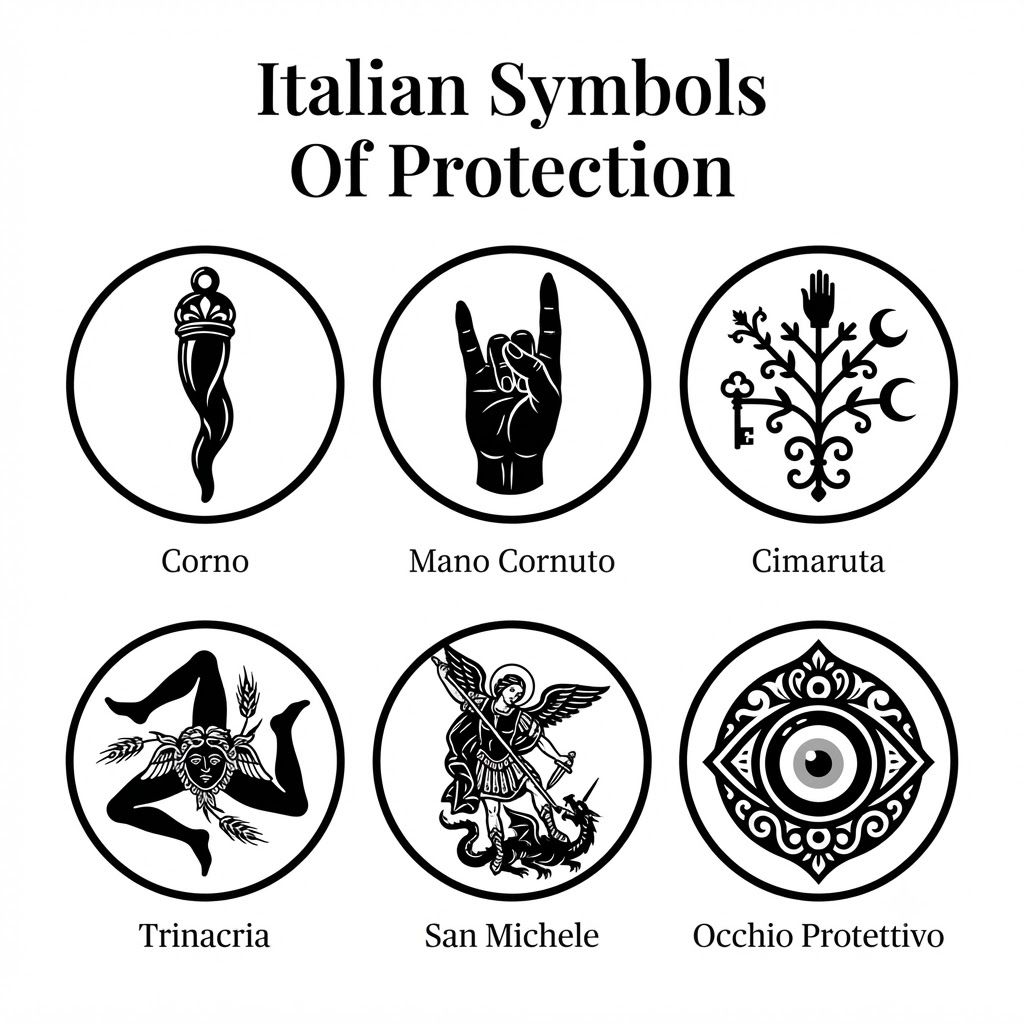
Protection symbols are extremely common in Italian households. Below is a short list of the most trusted ones.
- Cornicello (lucky horn)
- Mano Cornuto (horned hand)
- Horseshoe hung above doors
- Red coral charms
- Blue evil eye beads
Italian Symbols For Family
Family is central to Italian identity, and several symbols reflect this bond. The olive tree represents family roots, while a simple gold ring passed through generations often symbolizes unity and loyalty within Italian households.
Symbols Of Italy
Symbols of Italy stretch far beyond the national flag. They include architectural icons like the Colosseum, cultural icons like the espresso cup, and religious icons like the rosary, all representing different sides of Italian daily life.
Italian Symbols Jewelry
Jewelry is one of the most popular ways Italians wear their symbols. Gold cornicelli, coral horns, and horned hand pendants are common gifts given at birth or during major life events for good luck.
Italian National Symbols
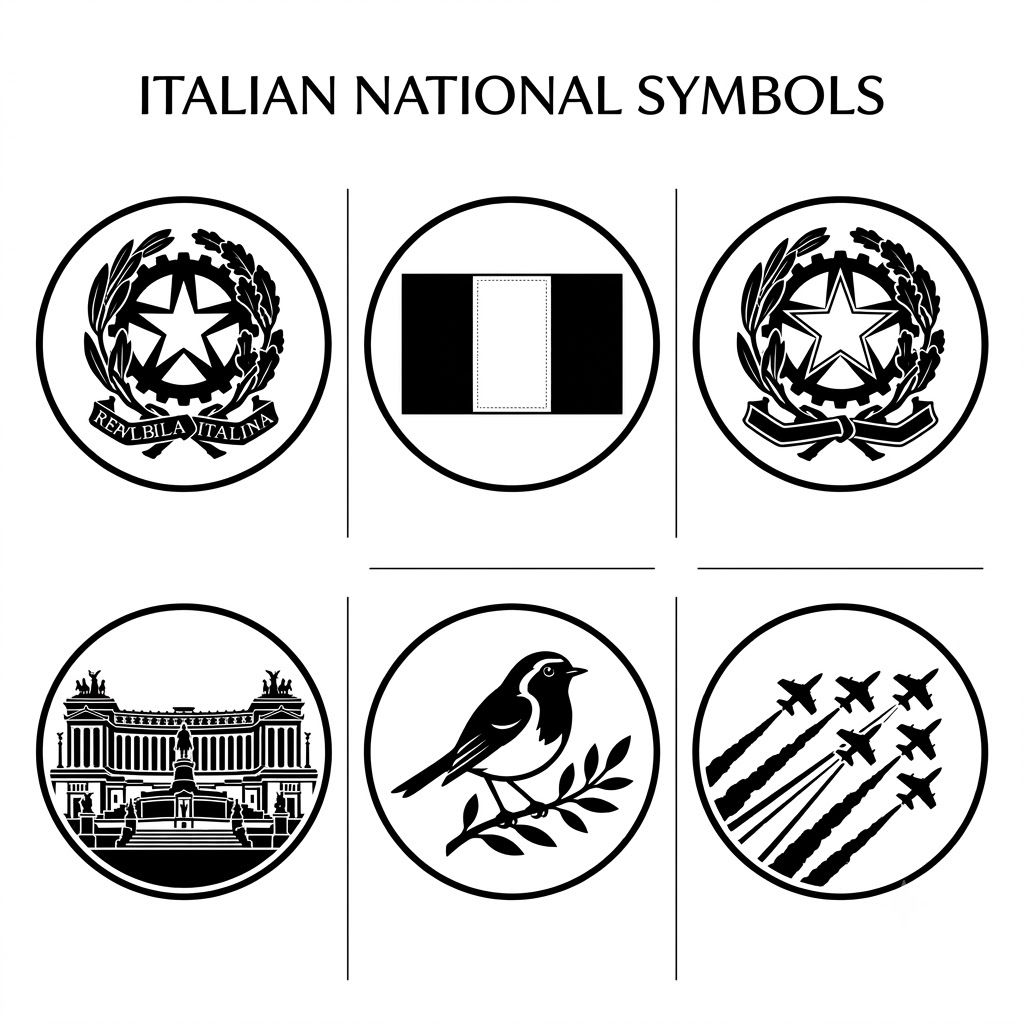
Italian national symbols are formally recognized by the government. These include the flag, the coat of arms, the national anthem, and the presidential standard, each protected under Italian law.
Ancient And Modern Symbols That Represent Italy
Italy blends the old and the new better than almost any other country. Ancient Roman icons still appear on modern government buildings, sports jerseys, and even luxury brand logos today.
Italy Symbols
Common Italy symbols recognized worldwide include the Colosseum, the Vespa scooter, the Roman eagle, and the tricolor flag. Together they represent history, freedom, and Italian craftsmanship.
Italian Symbols Of Love
Love symbols in Italy often connect to nature and faith. The red rose, intertwined rings, and the phrase written in Latin script are popular choices for couples celebrating Italian heritage.
Things That Represent Italy
Food, fashion, and art all represent Italy in their own way. Pizza, pasta, opera, and Renaissance paintings are cultural exports that carry the same pride as any official Italian symbol.
Ancient Italian Symbols And Meanings
Ancient Italian symbols and meanings often trace back to mythology. The she wolf nursing Romulus and Remus represents the founding of Rome, while the fasces bundle symbolized unity and civic authority in Roman times.
Something That Represents Italy
If someone asks for one single item that represents Italy, most people point to the tricolor flag or the Colosseum. Both instantly communicate Italian identity anywhere in the world.
Things That Represent Italian Culture
Italian culture is represented through music, cuisine, fashion, and architecture. Opera houses, family style dinners, and handmade leather goods all reflect deep cultural pride passed through generations.
Italian Symbols Of Strength
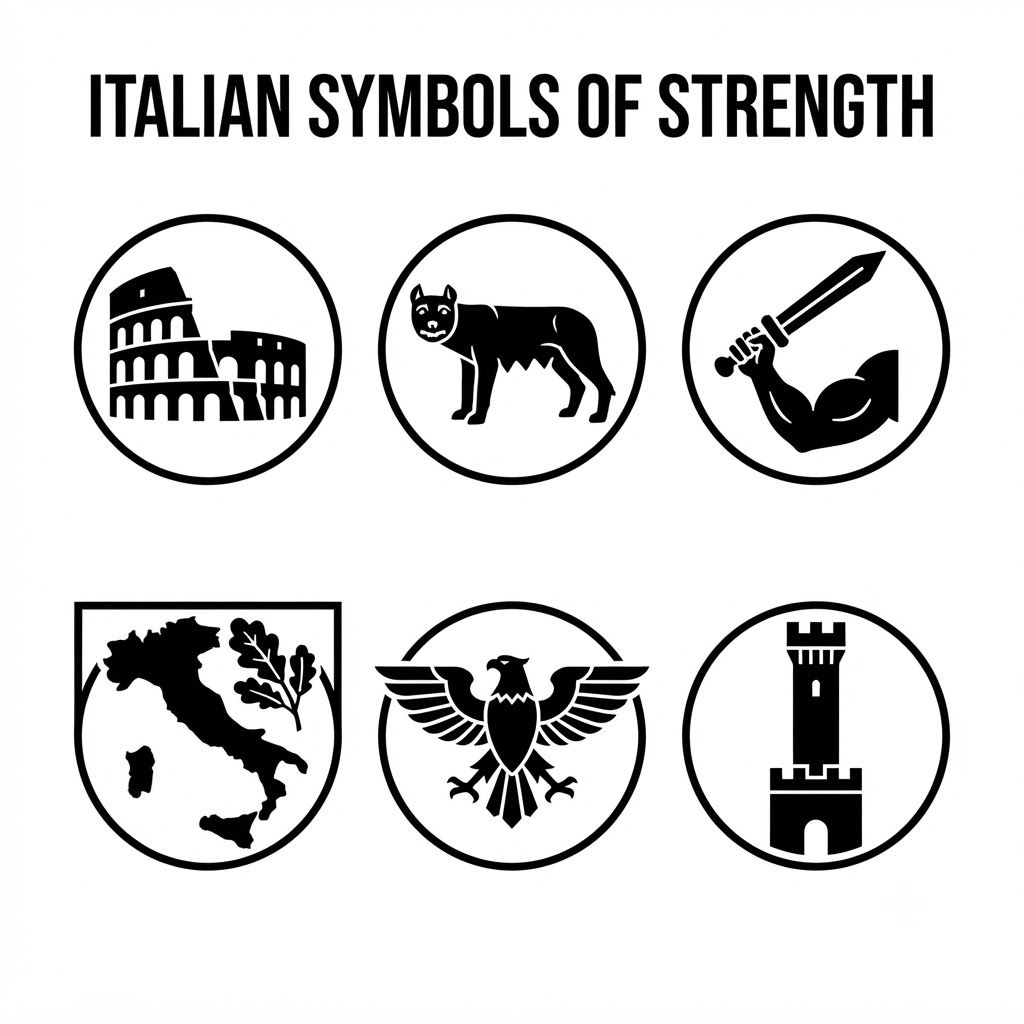
Strength symbols hold a special place in Italian tradition. The oak branch on the national emblem, the Roman eagle, and the lion of Venice all represent power, courage, and resilience.
The Deep Symbolic Meaning Behind Italian Symbols
Every Italian symbol carries layers of meaning that go beyond appearance. Understanding these layers helps explain why these icons remain so powerful centuries later.
Spiritual Meaning
Many Italian symbols connect to faith and protection from harm. The cornicello and horned hand were originally created to shield people from the evil eye, a belief still respected in parts of southern Italy.
Psychological Meaning
Symbols give people a sense of identity and belonging. Wearing or displaying Italian symbols can create feelings of pride, safety, and connection to family roots, even for those living far from Italy.
Cultural Meaning
Culturally, Italian symbols act as a shared language. They allow people across different regions of Italy, each with unique dialects and traditions, to feel connected through common icons and shared history.
Types of Italian Symbols and Their Meanings
Some Italian symbols deserve a closer look because of their long history and wide use. Below are five of the most important ones, broken down in detail.
The Cornicello
Visual Description
A curved horn shape, usually red, gold, or coral colored, often twisted like a chili pepper.
Meaning
Represents protection from bad luck and the evil eye, along with fertility and strength.
Where It Appears
Worn as jewelry, hung in cars, and displayed in homes across southern Italy, especially Naples.
ALSO READ THIS BLOG: 93+ Holy Thursday Symbols and Their Meanings
The Roman Eagle
Visual Description
A powerful eagle with wings spread wide, often holding a wreath or standing on a globe.
Meaning
Symbolizes power, authority, and the reach of the ancient Roman Empire.
Where It Appears
Found on government buildings, military symbols, and historical monuments across Italy.
The Olive Branch
Visual Description
A slender branch with small leaves, often shown crossed with another branch.
Meaning
Represents peace, harmony, and unity, appearing on Italy’s official coat of arms.
Where It Appears
Used in national emblems, wedding decorations, and diplomatic ceremonies.
The Lion of Venice
Visual Description
A winged lion, usually shown holding an open book, standing proudly on land or sea.
Meaning
Symbolizes the strength and independence of the Venetian Republic.
Where It Appears
Displayed on flags, statues, and buildings throughout Venice and its former territories.
The Fleur de Lis
Visual Description
A stylized three petal flower, often shown in gold or silver on a shield.
Meaning
Represents nobility, purity, and royal heritage, especially tied to Florence.
Where It Appears
Featured on the Florence city crest, historical artwork, and noble family emblems.
Italian Symbols Across Different Cultures
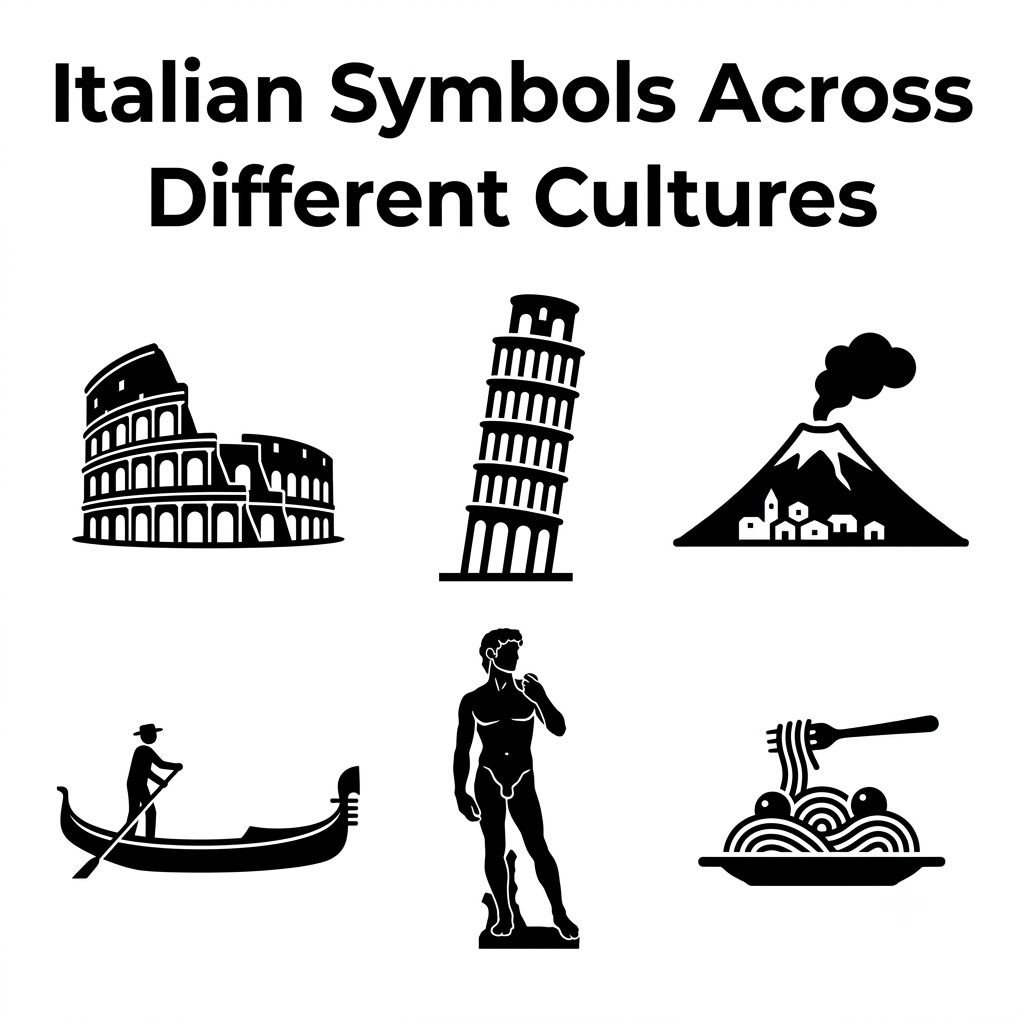
Italian symbols have traveled far beyond Italy’s borders, changing slightly as they entered new cultures. This section looks at how different eras and communities shaped their meaning.
Ancient Roman Culture
Roman culture gave the world lasting Italian symbols like the eagle, the laurel wreath, and the fasces, all tied to power, victory, and civic order.
Christian Italian Culture
Catholic faith added deep religious meaning to Italian symbols, including the cross, the rosary, and images of saints found in churches across the country.
Renaissance Italy
The Renaissance period introduced artistic symbols like the fleur de lis and detailed family crests, reflecting wealth, knowledge, and artistic achievement.
Medieval Italian States
City states like Venice and Florence developed their own symbols, such as the winged lion and the fleur de lis, to represent independent political power.
Modern Global Culture
Today, Italian symbols appear in fashion logos, movie posters, and tattoo studios worldwide, proving their meaning still resonates far beyond Italy’s borders.
Italian Symbols in Art, Movies, Literature, Tattoos and Fashion
Italian symbols show up everywhere in creative work. Renaissance paintings feature olive branches and religious icons, while modern films often use the Roman eagle or the Colosseum to signal power and history. In literature, Dante’s writings reference laurel wreaths as a mark of honor.
Tattoo artists frequently use the horned hand and family crests, while Italian fashion houses like Versace and Gucci build their logos around classical Italian imagery, keeping these symbols alive in everyday modern life.
Spiritual And Dream Meaning of Italian Symbols
In folklore, seeing Italian symbols like the cornicello or horseshoe in a dream is often linked to upcoming protection from harm or a warning to stay cautious. Spiritually, these symbols are believed to carry inherited energy from ancestors, offering comfort and guidance to those who wear or display them during difficult times.
Positive And Negative Meanings of Italian Symbols
Most Italian symbols carry positive meaning, but a few also hold warnings depending on context.
| Symbol | Positive Meaning | Negative Meaning |
| Cornicello | Protection, luck | Superstition if overused |
| Eagle | Power, pride | Aggression, dominance |
| Horned Hand | Warding off evil | Seen as rude gesture out of context |
| Lily | Purity, faith | Associated with funerals in some regions |
Why Humans Feel Deeply Attracted to Italian Symbols
People are drawn to Italian symbols because they combine beauty with meaning. Unlike random designs, each Italian symbol tells a story of survival, faith, or family pride. This emotional connection makes them popular choices for tattoos, jewelry, and home decor, even among people with no direct Italian heritage.
Italian Symbols And Their Role In Daily Italian Life
In everyday Italian life, symbols are more than decoration. A cornicello might hang from a car mirror, a horseshoe sits above a front door, and a small cross rests on a necklace. These small habits show how Italian symbols remain woven into daily routines, connecting modern life to centuries old belief systems.
Conclusion
Italian symbols carry the weight of history, faith, and family in every design. From ancient Roman icons to modern jewelry trends, these symbols continue to shape how people express pride in Italian heritage.
Understanding their meaning gives a deeper appreciation for Italy’s culture, whether you are choosing a tattoo, buying jewelry, or simply exploring where these traditions began.

Ethan Brooks is a writer and researcher at TechTimeGP, sharing clear and informative guides about symbols, signs, and their meanings. He explores the history, cultural significance, and modern uses of different symbols to help readers understand the stories behind them. His goal is to make symbol meanings simple, accurate, and easy for everyone to discover.