
73+ German Symbols That Still Influence Modern Life in 2026
German symbols are more than decorative designs. They carry centuries of history, identity, and meaning. From ancient runes carved on stone to the modern eagle printed on passports, these symbols tell the story of a nation that has been through war, division, rebirth, and unity.
In this article, you will explore every major category of German symbols with clear meanings, cultural context, and real examples.
What are German Symbols?

German symbols are visual marks, emblems, and icons connected to Germany’s history, culture, politics, and identity. They range from national flags and eagles to ancient runic letters and tribal carvings. Each symbol carries a specific meaning tied to a specific time in German history.
German symbols can be divided into two broad groups. The first group includes ancient and pre-national symbols used by Germanic tribes and medieval kingdoms. The second group includes modern national symbols like the flag, eagle, and Brandenburg Gate. Together, they reflect the full arc of German civilization.
| Category | Examples |
| National Symbols | Federal Eagle, Black-Red-Gold Flag |
| Ancient Symbols | Elder Futhark Runes, Irminsul |
| Military Symbols | Iron Cross, WW1 and WW2 emblems |
| Cultural Symbols | Beer stein, Bavarian checkered pattern |
| Regional Symbols | Lion of Hesse, Bear of Berlin |
Ancient German Symbols And Their Hidden Stories
Ancient German symbols reveal a world where every mark carried power, protection, or divine meaning. These symbols were used long before Germany became a unified country in 1871. Studying them gives us a window into the spiritual and social lives of early Germanic peoples.
Ancient German Symbols
The most recognized ancient German symbols include the Elder Futhark runes, which form the oldest runic alphabet with 24 characters. Each rune had a name and meaning beyond its sound. For example, Algiz meant protection, Tiwaz meant justice and victory, and Ansuz meant wisdom. These symbols appeared on weapons, memorial stones, and burial objects.
The Irminsul was another powerful ancient symbol. It represented a great pillar connecting the earth to the cosmos. Germanic tribes used it as a sacred object in rituals and worship. It symbolized balance, connection, and spiritual order.
Germanic Tribe Symbols
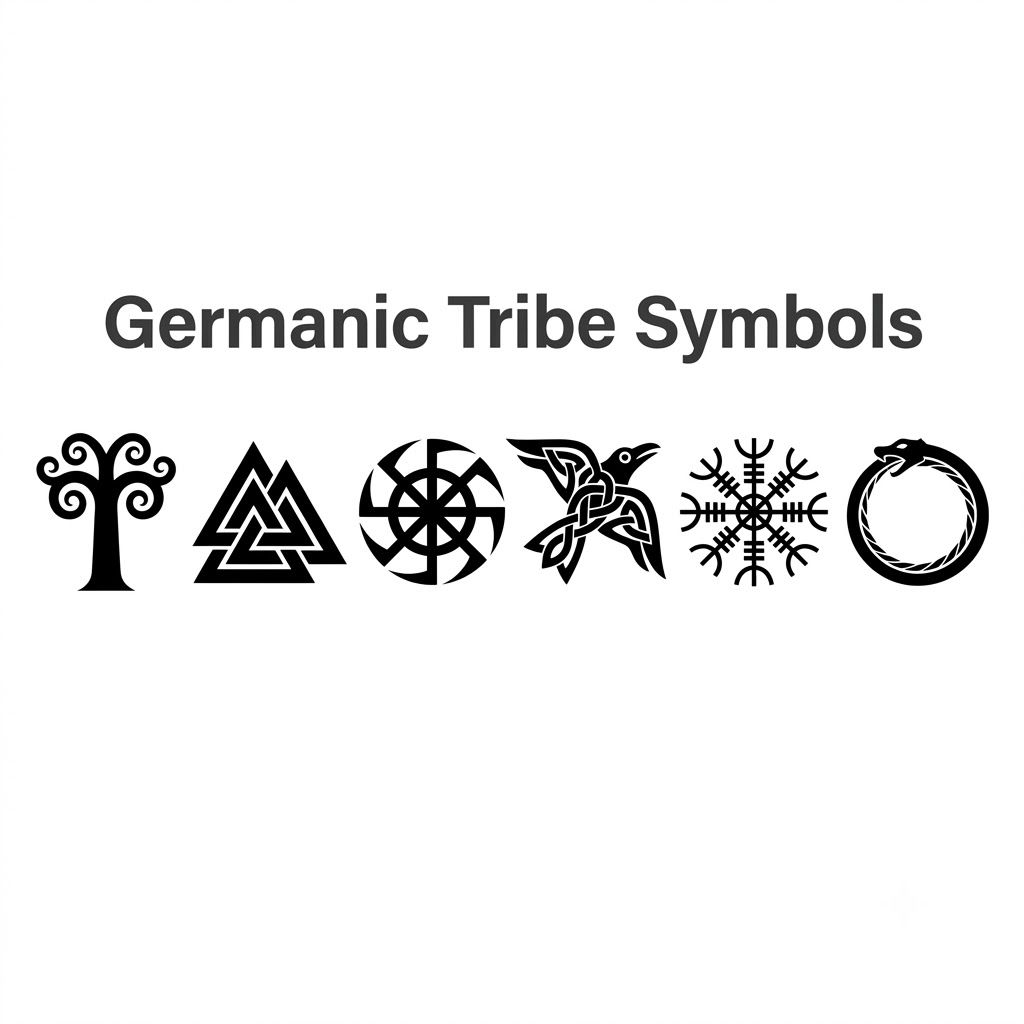
Germanic tribes used symbols to mark identity, show loyalty, and invoke spiritual protection. Tribes like the Franks, Saxons, Almanni, and Thuringii each had distinctive visual marks. These often appeared on shields, swords, and clothing.
Eagles, ravens, and boars were common tribal symbols. Ravens were associated with Odin, the chief god, who used them as messengers. Boars represented courage and strength in battle. The hammer of Thor was worn as an amulet and showed both religious belief and tribal belonging.
Germanic Symbols
Germanic symbols go beyond any single tribe. They represent a shared cultural tradition across many groups who spoke related languages across northern Europe.
Key Germanic symbols include the Valknut (three interlocking triangles connected to Odin), the Vegvisir (a runic compass for guidance), and the Aegishjalmr (helm of awe, used for protection in battle). These symbols were believed to carry real spiritual power. Today, they remain popular in art, jewelry, and tattoo culture.
What are the famous symbols of Germany?
Germany has produced some of the most recognized symbols in the world. These famous German symbols appear in government buildings, passports, sports events, and tourist branding. Each one carries a specific meaning rooted in centuries of German history and national pride.
The most famous German symbols are the Federal Eagle, the Black-Red-Gold flag, the Brandenburg Gate, the Iron Cross, and the Berlin Bear. These symbols appear every single day in modern German life. They represent democracy, strength, unity, and cultural identity all at once.
German Symbols And Meanings In Modern Culture
Modern German culture uses symbols in very deliberate ways. These German symbols appear in politics, design, fashion, sports, and everyday communication. Understanding their current meanings helps you read German culture more accurately.
German Symbols And Meanings
Here is a quick reference table for major German symbols and what they mean today:
| Symbol | Core Meaning |
| Federal Eagle | Democracy, authority, national unity |
| Black-Red-Gold Flag | Freedom, unity, and democratic values |
| Iron Cross | Military honor and historical service |
| Brandenburg Gate | Peace, German reunification |
| Berlin Bear | Civic pride, city of Berlin |
| Runes | Spiritual heritage, ancient wisdom |
| Edelweiss | Alpine purity, bravery, natural beauty |
| Oak Leaf | German strength, endurance |
German Symbolism
German symbolism is built on layers. A single symbol can carry ancient tribal meaning, medieval religious meaning, and modern political meaning all at once. The eagle, for example, was used by Roman emperors, then by the Holy Roman Empire, then by the Weimar Republic, and now by the modern German state.
This layering makes German symbols some of the most complex and historically rich in the world.
Symbols Of Germany
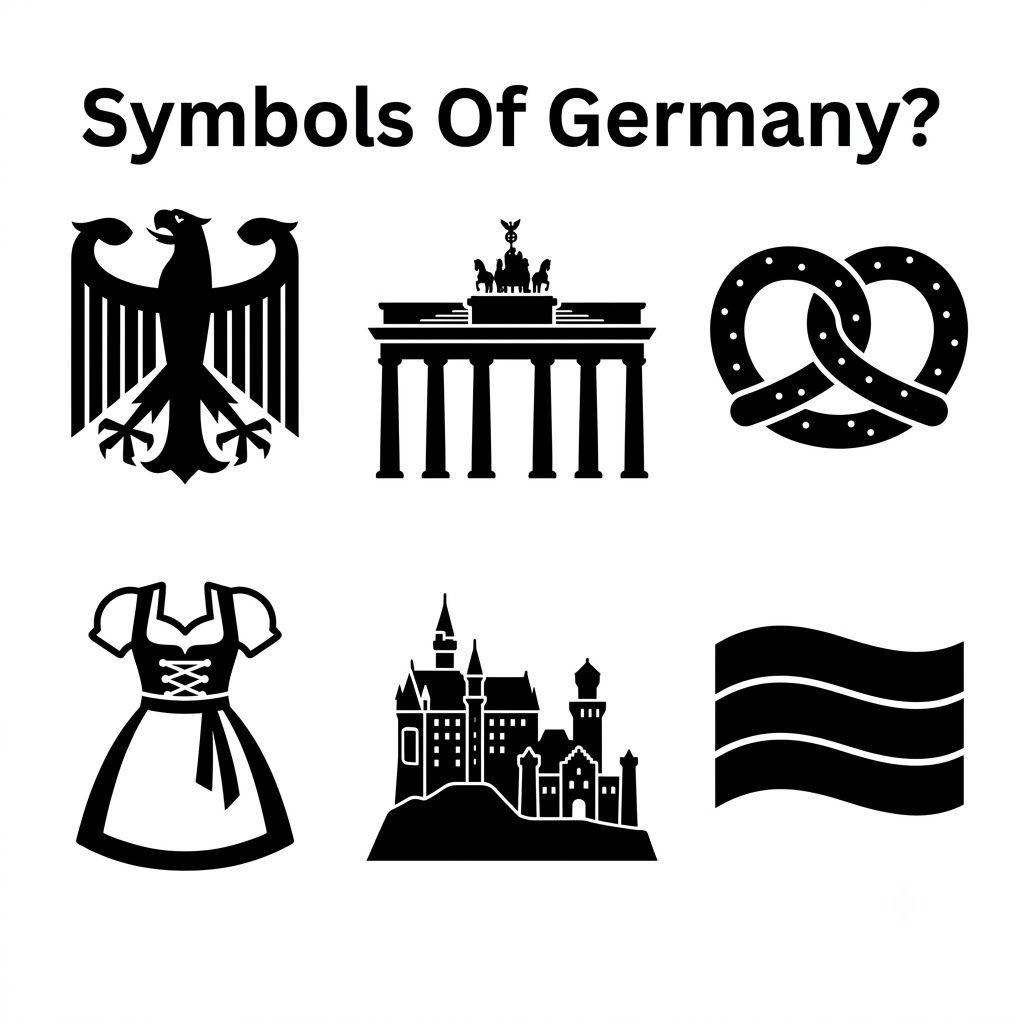
The official symbols of Germany recognized by the state include the national flag, the Federal Eagle, and the national anthem. Unofficially, the Brandenburg Gate and the Berlin Wall are also treated as powerful national symbols because of their role in the story of German reunification in 1990.
What Is The Symbol Of Germany?
The Federal Eagle, known as the Bundesadler, is the single most important symbol of Germany. It appears on the German coat of arms, coins, official government documents, and passports. The eagle represents sovereignty, authority, and the democratic values of the Federal Republic of Germany.
German Symbols Text
German symbols text refers to runic characters and old German script letters used in creative writing, usernames, and digital design. People often search for these characters to add a historical or cultural touch to their content. Common choices include Elder Futhark runes and Fraktur-style letters.
German Symbols Letters
German symbols letters are inspired by old runic alphabets and classic Fraktur typography, a blackletter script used in Germany for centuries. Modern designers use these letterforms in logos, posters, and branding. They carry a strong visual identity that immediately reads as Germanic in origin.
German Symbols To Copy
Popular German symbols to copy for creative use include basic runes like Algiz, Tiwaz, Fehu (wealth), and Othala (heritage). These are widely used in social media bios, tattoo planning, and graphic design projects. Always research the meaning of any symbol before using it publicly.
German Symbols Tattoos
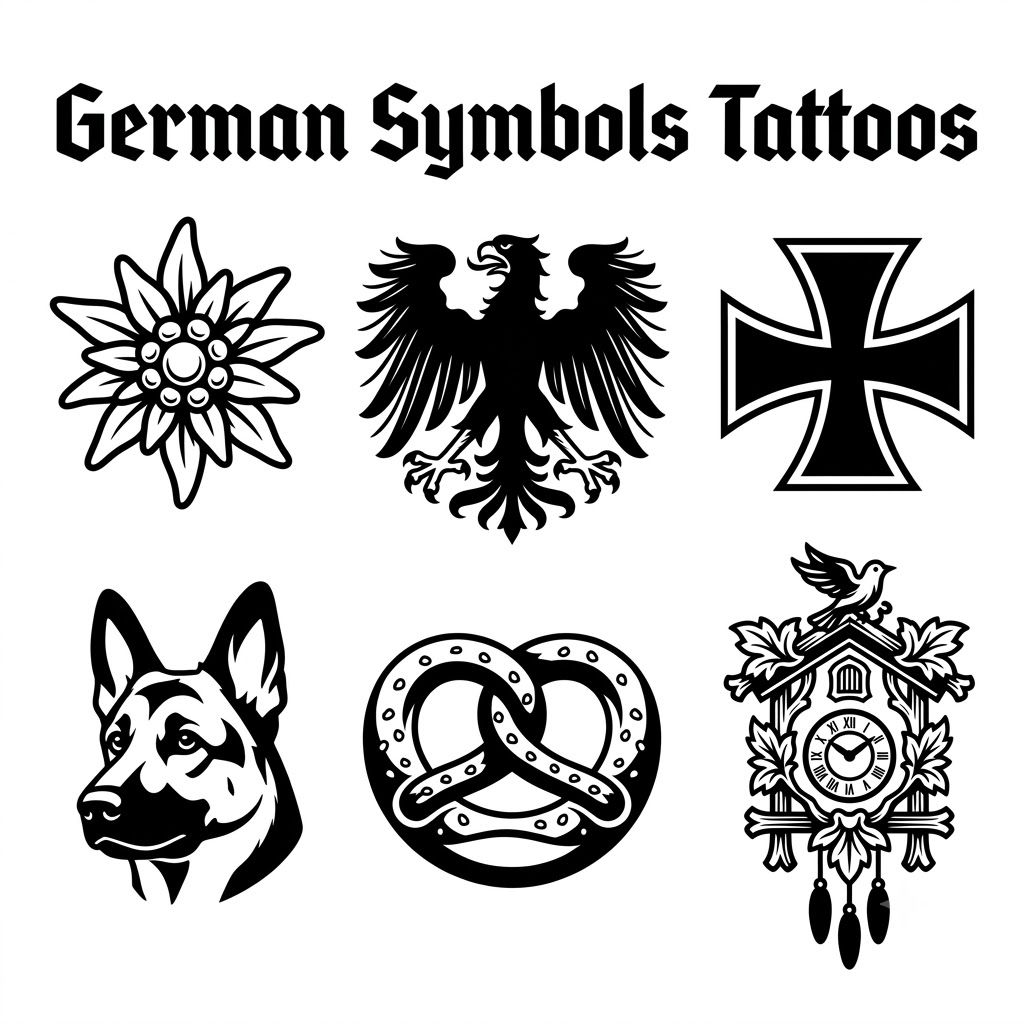
German symbols tattoos focus on runes, the eagle, and tribal patterns. The most popular choices are the Algiz rune for protection, the Tiwaz rune for justice, and the Federal Eagle for national pride. Many people also choose oak leaves and the Iron Cross for heritage-themed tattoo work.
Iconic, Ancient And Historical German Symbols
This section covers the broader landscape of German symbols across time. From medieval coats of arms to early tribal carvings, these symbols shaped how Germany sees itself and how the world sees Germany.
Iconic German Symbols
The most iconic German symbols recognized worldwide include the Brandenburg Gate, the Federal Eagle, the black-red-gold flag, and the Iron Cross. These are instantly readable as German across cultures.
Traditional German Symbols
Traditional German symbols include the Edelweiss flower, the oak tree, the beer stein, Bavarian blue and white diamonds, and the Christmas tree. These cultural icons reflect folk traditions, regional pride, and seasonal celebrations.
Famous German Symbols
Famous German symbols that appear in global media include the Brandenburg Gate (used as a symbol of reunification), the Berlin Wall (now a symbol of division overcome), and the Olympic rings connected to Munich 1972. Each of these symbols carries both German and universal meaning.
Ancient German Symbols Tattoos
Ancient German symbols tattoos draw from the runic tradition and early tribal imagery. The Vegvisir (a Norse compass), the Valknut, and individual Elder Futhark runes are the most popular. These tattoos often represent personal values like courage, guidance, protection, or ancestry.
Old German Symbols

Old German symbols were carved on stone monuments, painted on shields, and etched into jewelry long before the modern German state existed. These symbols belonged to tribal cultures and early medieval kingdoms. They are studied today by archaeologists and historians to reconstruct early Germanic spiritual life.
Meaningful German Symbols
Meaningful German symbols usually carry messages about loyalty, strength, freedom, and family. Runes like Berkano (growth, family) and Ingwaz (fertility, new beginnings) are chosen for their personal significance. National symbols like the eagle and the flag carry civic and collective meaning.
German Symbols In War, Politics and Family
German symbols connected to war, politics, and family reveal a nation wrestling with its past and defining its future. These German symbols range from proud military honors to deeply controversial emblems that shaped world history.
WW1 German Symbols
WW1 German symbols included military insignia, state cockades, and the Iron Cross First Class and Second Class medals. These symbols identified rank, unit, and achievement. The Pickelhaube helmet became one of the most recognizable WW1 German symbols internationally. The Iron Cross awarded in 1914 is distinct from later versions and carries its own historical context tied to the Kaiser’s Germany.
WW2 German Symbols
WW2 German symbols are closely linked to the Nazi period and include the Iron Cross redesigned with a swastika, SS insignia based on reinterpreted runes like the Siegrune, and military eagles. Many of these symbols are now banned for public display in Germany. Historians and educators study them to understand how visual identity was used to build ideology and project power.
WWII German Symbols
WWII German symbols also include civilian and state markings used across occupied Europe. The red and black Nazi flag and the swastika became globally recognized symbols of oppression. Today, Germany has strong legal protections against public display of these symbols, reflecting the country’s commitment to confronting its history.
East German Symbols
East German symbols represented the German Democratic Republic from 1949 to 1990. The GDR used a hammer and compass inside a wreath of grain as its coat of arms. This symbol appeared on the East German flag from 1959 onward. It represented socialism, intellectual work, and rural labor. After reunification, these symbols faded from official use but remain part of the historical record.
German Symbols For Family
German symbols for family often come from the runic tradition. Berkano represents growth and motherhood. Othala represents ancestry and inherited land. Many families also use oak trees, heraldic lions, and traditional coats of arms to represent family identity and lineage.
Popular German Symbols

Popular German symbols today include the Federal Eagle, the national flag, the Brandenburg Gate, the Edelweiss, and beer-related imagery like the beer stein and pretzel. These appear widely in tourism, merchandise, festivals like Oktoberfest, and national pride campaigns.
Deep Symbolic Meaning of German Symbols
German symbols carry meaning on more than one level. When you look beyond the surface design, you find spiritual, psychological, and cultural layers that explain why these symbols remain so powerful today.
Spiritual Meaning
Many German symbols, especially the ancient ones, were rooted in spiritual belief. Runes were considered divine gifts, linked in Norse mythology to Odin’s sacrifice to gain hidden knowledge. The Irminsul represented the axis connecting earth and heaven. These symbols were not just decorative. They were believed to carry real protective or transformative power in ritual contexts.
Psychological Meaning
German symbols appeal to deep psychological needs. The eagle satisfies the human desire for leadership and vision. Runes satisfy curiosity about hidden knowledge. National flags and emblems satisfy the need for belonging and identity. Psychologists note that structured, symmetrical symbols feel authoritative and trustworthy. This partly explains the enduring visual power of German heraldry.
Cultural Meaning
Culturally, German symbols reflect values like discipline, order, unity, and resilience. They have been used to build national identity through centuries of political change.
Even after the devastation of WW2, Germany rebuilt its symbolic identity around democratic values using the same eagle but in a completely redesigned form to signal renewal and responsibility.
READ MORE: 49+ Unique Symbols of Friendship
Types / Variations of German Symbols
German symbols come in many types. Here are the five most important categories explained clearly.
Federal Eagle (Bundesadler)
The Federal Eagle is the official symbol of modern Germany. It appears on the coat of arms and all official state documents. It evolved from the Holy Roman Empire eagle through many redesigns. Today’s version was created in 1950 and represents democracy and the modern German state. It faces left, has outstretched wings, and holds no weapons.
Black-Red-Gold Flag
The national flag of Germany uses three horizontal stripes: black on top, red in the middle, and gold on the bottom. These colors were used by German liberal nationalists in the early 19th century. They returned with the Weimar Republic and became the official flag of the Federal Republic in 1949. The colors represent the national values of unity, freedom, and democracy.
Iron Cross (Eisernes Kreuz)
The Iron Cross was first created in 1813 during the Napoleonic Wars as a military decoration. It became widely used in WW1 and was redesigned for WW2. Today, a modern version of the Iron Cross without Nazi symbolism remains the emblem of the German armed forces, the Bundeswehr. It represents military service and honor.
Germanic Runes
The Elder Futhark is the oldest runic alphabet with 24 characters. Each rune carries both a phonetic value and a symbolic meaning. Runes were used across Germanic and Norse cultures for communication and ritual purposes. They are not exclusively German but are a major part of the broader Germanic symbolic tradition.
Holy Roman Empire Eagle
The double-headed eagle of the Holy Roman Empire represented the Emperor’s authority over both secular and religious domains. This symbol was used from the medieval period until the empire’s dissolution in 1806. It directly influenced the single-headed eagle used in modern German national identity.
German Symbols Across Cultures
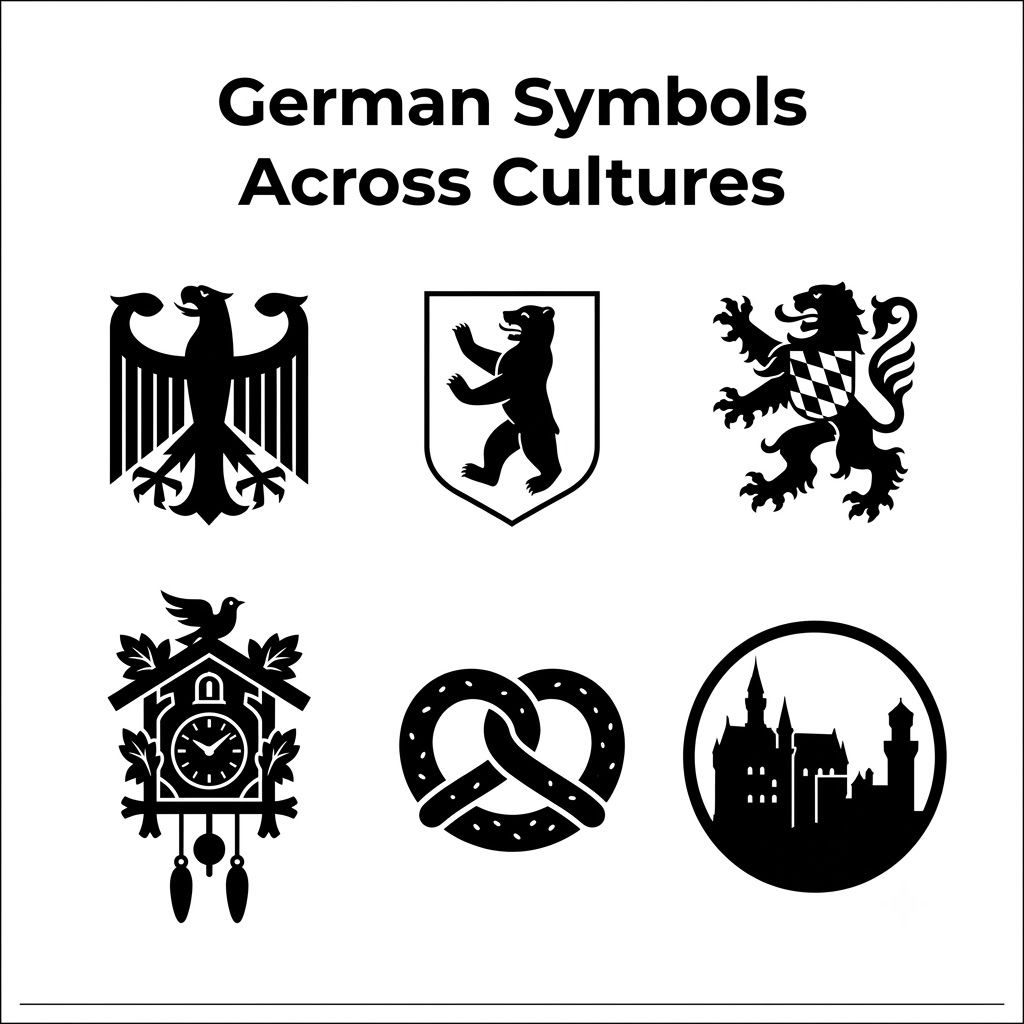
German symbols did not develop in isolation. They were shaped by and in turn shaped many other cultures across Europe and beyond.
Ancient Germanic Tribes
The original Germanic tribes developed their own symbolic vocabulary through contact with nature, mythology, and neighboring cultures. Their symbols were raw, functional, and spiritually charged.
Roman Influence
Roman contact from the 1st century BCE onward brought new visual traditions. The eagle, used extensively in Roman imperial symbolism, was adopted and adapted by Germanic leaders. Roman coins and monuments influenced how Germanic peoples designed their own emblems.
Medieval Europe
During the Middle Ages, German symbols merged with Christian iconography. The Holy Roman Empire combined the eagle with religious authority. Heraldic traditions developed across German states, with lions, eagles, and bears becoming common coat of arms symbols.
Modern Europe
After German unification in 1871 and especially after 1945, German symbols were deliberately reformed to align with democratic European values. The Federal Eagle and the black-red-gold flag became symbols shared with and recognized by all of modern Europe.
Global Influence
German symbols have spread globally through migration, trade, and media. The Iron Cross appears in international military design. German car brand logos draw from heraldic traditions. Oktoberfest branding is recognized on every continent.
German Symbols in Art, Movies and Pop Culture
German symbols appear regularly in films, video games, music, and fashion. Movies about WW2 frequently use German military symbols to establish historical context. The Iron Cross appears in action films and video games set in the war era.
In music, German industrial and metal bands have used runic imagery in album artwork. In fashion, minimalist German design aesthetics influence global streetwear and luxury brands. Tattoo artists worldwide regularly feature runes, eagles, and tribal Germanic designs. These German symbols have moved from national identity into global visual culture.
Spiritual and Dream Meaning of German Symbols
When German symbols appear in dreams or spiritual reflection, they often carry personal meaning. The eagle typically represents clarity, ambition, and leadership. Runes in dreams often signal a search for hidden knowledge or guidance. Cross-shaped symbols can represent inner conflict or a moral turning point.
In meditation and spiritual practice, runes are sometimes used as tools for self-reflection. Each rune is associated with a specific energy or life theme. This is not ancient practice but a modern adaptation of runic tradition that has grown significantly since the 20th century.
Positive vs Negative Meaning
German symbols carry both positive and negative associations depending on context, time, and use.
Positive Meanings
The Federal Eagle represents democratic strength and national unity. The black-red-gold flag represents freedom and civil rights. Runes represent wisdom, protection, and connection to cultural heritage. The Brandenburg Gate represents peace and the overcoming of division. The Edelweiss represents natural beauty, bravery, and alpine tradition.
Negative Interpretations
Some German symbols carry heavy negative associations due to their use during the Nazi period. The swastika, once a universal symbol of good fortune across many ancient cultures, is now banned in Germany because of its association with the Holocaust and Nazi ideology. Several runes that were appropriated by the SS are now treated with caution due to their misuse in that period. Context and intent always determine how a symbol is received.
Why Humans Are Attracted to German Symbols
Humans are drawn to German symbols for several reasons. These symbols are visually strong and historically rich, which makes them feel significant and trustworthy. The eagle satisfies a universal fascination with power and vision. Runes appeal to the human desire for mystery and hidden meaning.
German symbols also represent transformation. Germany has gone through some of the most dramatic national changes in modern history, from empire to republic to dictatorship to democracy. Each change brought new symbols, and each symbol carries evidence of that journey. People connect with symbols that show survival, change, and resilience.
Conclusion
German symbols are living records of one of the world’s most complex national stories. From the ancient Elder Futhark runes carved into stone by Germanic tribes to the clean modern Federal Eagle printed on every German passport, these symbols carry centuries of meaning. They represent strength, wisdom, tragedy, renewal, and democratic hope.
Whether you are interested in ancient German symbols for tattoos, researching the history of WW1 and WW2 German symbols, or exploring what famous German symbols mean in modern culture, every symbol offers a deeper understanding of how Germany became what it is today. These symbols continue to influence art, politics, design, and identity across the world in 2026 and beyond.