Sandra Otterson Biography: Age, Husband, Net Worth & Wifey Story
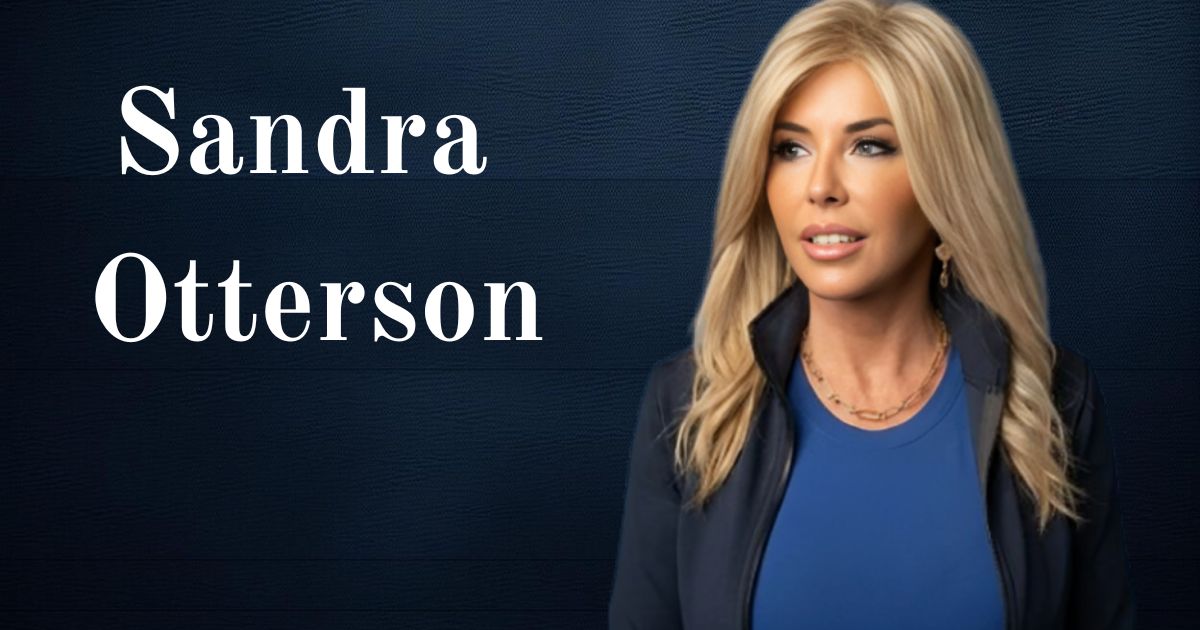
Sandra Otterson is an American internet entrepreneur best known by the name “Wifey” and for building a long-running online business with her husband, Kevin Otterson. Her story began during the early days of the commercial internet when personal websites were still a new idea. Rather than working through a traditional entertainment company, the couple built their own brand and communicated directly with an online audience. That early approach helped make Sandra Otterson a notable figure in the history of independent internet businesses.
Quick Facts About Sandra Otterson
| Detail | Information |
| Full Name | Sandra Otterson |
| Known As | Wifey |
| Reported Birth Date | May 15, 1965 |
| Reported Birthplace | Oregon City, Oregon |
| Nationality | American |
| Husband | Kevin Otterson |
| Profession | Internet entrepreneur and online personality |
| Known For | Wifey’s World and early internet entrepreneurship |
| Estimated Net Worth | About $5 million or more according to outside estimates |
| Years Associated With Online Business | Since the late 1990s |
Public biographies commonly report that Sandra Otterson was born on May 15, 1965, in Oregon City, Oregon. IMDb also lists that birth date and birthplace while identifying Kevin Otterson as her spouse.
Financial figures are less certain. Celebrity Net Worth has estimated her wealth at about $5 million while newer online estimates place the figure in a wider range. These numbers are not audited financial statements so they should be treated as estimates rather than confirmed facts.
Who Is Sandra Otterson?

Sandra Otterson is best known for creating a recognizable online identity during the early commercial internet era. Her public name, “Wifey,” became closely connected with the website Wifey’s World which she operated with Kevin.
Her importance comes partly from timing. In the late 1990s, the internet was moving from a technical network used mainly by universities and specialists toward a mass-market communication system. Websites were becoming businesses. Email newsletters were growing. Online communities were forming around shared interests.
Sandra and Kevin recognized an opportunity in that environment.
Instead of depending entirely on an established company they created a direct relationship between a small business and its audience. That concept now looks familiar because direct-to-consumer businesses are everywhere. At the time, however, the model was still relatively unusual.
The story therefore has two sides. One side concerns Sandra’s public career and the identity she created online. The other concerns the development of a small independent internet business during a period when the rules of online commerce were still being written.
Early Life and Background
Reliable public information about Sandra Otterson’s childhood is limited.
Most biographies identify Oregon City, Oregon, as her birthplace. Public records about her parents, childhood interests, schools and early ambitions are much less consistent. Because of that gap, many detailed claims repeated online should be treated carefully.
This is an important point when researching any internet personality. A biography can contain dozens of facts while only a small number have strong documentation. Birth information may appear across several databases while stories about childhood or education may come from secondary websites repeating one another.
For Sandra Otterson, the safest approach is to separate the documented public profile from speculation.
What is clearer is the importance of her relationship with Kevin Otterson. Public biographies identify Kevin as her husband and business partner. Their long-term partnership became an important part of the story behind the Wifey brand.
Meeting Kevin Otterson
Sandra Otterson and Kevin Otterson are frequently described as high school sweethearts.
Several biographies state that they met while they were teenagers and later married. However, the exact timeline varies among online sources. Some sources place their marriage in the mid-1980s while others provide fewer details.
The broader point is easier to establish than the exact dates. Kevin was not simply a person connected to Sandra’s later career. He became her long-term partner and business collaborator.
That distinction matters because many online personalities build their careers individually. Sandra’s story developed differently. The business was closely associated with a married couple working together.
Their relationship also influenced the brand name itself. The public identity “Wifey” was closely connected with the idea of a married woman and helped create a simple identity that audiences could remember.
Education and Early Career
Sandra Otterson’s education is not well documented through strong public sources.
There are websites that claim particular schools or career paths but those details are not consistently supported. It would therefore be misleading to present a specific college degree or early occupation as established fact.
This lack of information is common with people who became famous after the rise of the internet. Traditional celebrities often have biographies, interviews and press coverage documenting their early years. Early internet entrepreneurs frequently do not.
Sandra’s public story became important only after she and Kevin began experimenting with online communication during the 1990s.
That timing helps explain why so much information about her early life remains unavailable. Her rise happened before social media encouraged people to document every stage of their lives.
The Birth of the “Wifey” Identity
The “Wifey” identity emerged during the early internet era.
According to multiple secondary biographies, Kevin began sharing material connected with Sandra in online communities during 1997. The response encouraged the couple to think beyond casual online participation and consider building a business around their growing audience.
The important business lesson is not the nature of the original material. It is what happened afterward.
The couple noticed that an audience could become a customer base. They realized that an online identity could become a brand. They also discovered that a small independent operation could communicate directly with its customers without relying on a major company.
That was a powerful idea in the late 1990s.
Today, entrepreneurs routinely build businesses through websites, newsletters, social media and subscription services. During the 1990s, those tools were much less developed.
The Launch of Wifey’s World
Wifey’s World became the central business associated with Sandra and Kevin Otterson.
Sources commonly place its launch in 1998. The exact details vary between biographies but the general timeline is consistent. The couple moved from experimenting with online communities toward operating a dedicated website.
The website represented a major shift in how they interacted with their audience.
Instead of depending on a third-party publisher, the couple controlled their own online destination. They could determine the site’s branding. They could communicate with customers directly. They could also change the business model as technology developed.
This independence became one of the most important characteristics of the Sandra Otterson story.
Why the Business Model Was Unusual
The late 1990s internet economy was full of experimentation.
Companies were trying to understand how websites could generate money. Some depended on advertising. Others sold physical products. Some charged membership fees. Many businesses struggled because consumers were not yet accustomed to paying for digital services.
Sandra and Kevin’s approach was different because they developed a direct relationship with their audience.
The basic concept was simple:
- Build a recognizable online identity.
- Create a dedicated website.
- Attract an audience.
- Offer additional material or services.
- Charge customers directly.
- Maintain control over the business.
That framework is now common across many areas of the internet.
The same broad business principles can be seen in newsletters, independent publications, educational memberships, software communities and creator businesses. The technology has changed but the relationship between creator and customer remains similar.
Sandra Otterson as an Early Internet Entrepreneur
Calling Sandra Otterson an internet entrepreneur is useful because her career demonstrates several ideas that later became central to online business.
Direct Customer Relationships
Traditional media businesses often placed several layers between a creator and an audience. The internet reduced those layers.
A website allowed a small business owner to communicate directly with customers. This reduced dependence on traditional distributors and gave the owner more control over branding.
Ownership
Owning the website and controlling the business created another advantage.
The couple did not have to wait for a major publisher to approve every decision. They could decide what direction the business should take.
Brand Recognition
The name “Wifey” was short and memorable.
A strong brand can make a small business easier to recognize. The same principle works for restaurants, clothing companies, YouTube channels, newsletters and technology startups.
Long-Term Adaptation
The internet changed dramatically between 1998 and 2026.
Websites became faster. Broadband replaced many dial-up connections. Smartphones transformed browsing habits. Social media became a major source of traffic. Subscription businesses became mainstream.
An online business that survives through several generations of technology has to adapt.
Sandra Otterson Net Worth
Sandra Otterson’s exact net worth is not publicly verified.
Celebrity Net Worth has listed an estimated net worth of $5 million. Other websites have published ranges extending from approximately $5 million to $10 million. These estimates are based on assumptions about the couple’s long-running business and assets rather than publicly released financial statements.
Therefore, the most responsible way to describe Sandra Otterson’s wealth is as an estimated figure rather than a confirmed amount.
Why Net Worth Estimates Differ
Net worth calculations can vary for several reasons.
A private business does not have to publish its revenue. Property values can change over time. Investment accounts are generally private. Business expenses can also be difficult for outsiders to calculate.
A website may generate substantial revenue without producing an equivalent amount of personal wealth.
For example, imagine a business earning $1 million in a year. That does not mean its owner becomes $1 million richer. Taxes, employees, technology, payment processing, property costs and other expenses reduce the amount that becomes personal wealth.
That is why online net-worth numbers should always be viewed cautiously.
The Importance of Privacy
Privacy has been a major part of Sandra Otterson’s public story.
She became known through an online identity while keeping many details of her personal life away from public attention. This creates an interesting contrast.
The internet encourages visibility. At the same time, people can choose how much of their private life they reveal.
Sandra’s public biography contains information about her career and marriage. Much less reliable information exists about her childhood, education and everyday life.
That boundary appears intentional.
Sandra Otterson and Kevin Otterson
Kevin Otterson played an important role in Sandra’s online career.
Public biographies identify him as Sandra’s husband and business partner. IMDb also lists Kevin as her spouse.
Their partnership illustrates a different type of entrepreneurial relationship. Instead of one person creating a company and hiring employees, the business developed around a married couple.
This arrangement can offer advantages. Partners can divide responsibilities. They can make decisions quickly. They can also build a company around shared goals.
It can create challenges too.
When a business and personal relationship become closely connected, separating work from home life can become difficult. The Otterson story has always involved both sides.
Family and Personal Life
Public information about Sandra Otterson’s family is limited.
Some online biographies have claimed that Sandra and Kevin have children. However, the number and details are not consistently documented across reliable sources.
For that reason, claims about specific children should not be presented as confirmed unless supported by stronger evidence.
The limited information is also a reminder that public recognition does not mean someone has made every part of their life public.
Sandra’s professional identity became widely known while her family life remained comparatively private.
Physical Appearance and Public Image
Public databases list Sandra Otterson at approximately 5 feet 6 inches tall. IMDb provides this measurement alongside her reported birth information.
Beyond basic biographical information, detailed descriptions of her appearance are unnecessary for understanding her career.
Her public image was built primarily around a memorable name and recognizable online identity. Branding was more important to the long-term business than any single photograph or appearance.
This is another useful lesson for online entrepreneurs.
A successful brand does not need to depend on constant reinvention. Consistency can be equally valuable.
The Real Estate Controversy
Sandra Otterson’s name has also appeared in reports involving Arizona real estate.
Several online biographies discuss a dispute involving a property connected with the Ottersons. However, accounts differ on important details. Because secondary websites often repeat one another, the safest description is that the couple became involved in a real-estate controversy rather than presenting every allegation as proven fact.
This part of the story demonstrates an important problem faced by internet personalities.
A private residence can become part of a public narrative when the owners operate a highly recognizable business from their home.
That can create unexpected consequences.
A home is normally a private asset. For someone operating a public-facing business, however, the connection between property and brand can become complicated.
Adapting to a Changing Internet
Perhaps the most interesting part of Sandra Otterson’s career is its longevity.
The internet of 1998 bears little resemblance to the internet of 2026.
In 1998:
- Dial-up connections were common.
- Search engines were still developing.
- Social media did not exist in its modern form.
- Smartphones were not part of everyday life.
- Online payments were less familiar.
- Websites often looked extremely basic.
Today:
- Mobile browsing dominates much of the web.
- Social platforms can create audiences overnight.
- Digital subscriptions are common.
- Online payments are routine.
- Independent creators can build global audiences.
- Businesses can operate entirely online.
A company created in the late 1990s therefore had to survive several major technological shifts.
What Sandra Otterson’s Story Says About the Creator Economy
The creator economy did not begin with modern social media.
The tools changed the scale of the opportunity but the basic concept existed much earlier.
An independent person could create something, build an audience and receive money directly from that audience.
Sandra Otterson’s story fits into that larger history.
Her career shows that direct-to-consumer digital businesses existed before today’s major platforms became dominant. Early entrepreneurs had fewer tools but also faced less competition in some areas.
The broader lesson is straightforward.
The technology changes. The basic business relationship does not.
A creator still needs an audience. An audience still needs a reason to return. A business still needs a reliable way to generate income.
Lessons From Sandra Otterson’s Business Journey
Several business lessons can be taken from the public record.
1. Start With a Clear Identity
“Wifey” was simple and memorable.
A strong name makes it easier for customers to remember a business.
2. Build Direct Relationships
The Ottersons’ website gave them direct access to their audience.
That reduced their dependence on traditional intermediaries.
3. Own Your Digital Assets
A business that controls its website has more freedom than one that depends entirely on another company’s platform.
This lesson is especially relevant today.
Social media platforms can change algorithms, fees or rules. A company with its own website has another channel it controls.
4. Adapt to Technology
An online business cannot remain frozen in its original form.
Technology changes. Customer expectations change. Payment systems change.
Long-term survival requires adaptation.
5. Protect Personal Privacy
A public business does not require every personal detail to become public.
Sandra Otterson’s biography demonstrates how someone can maintain a recognizable professional identity while keeping parts of personal life outside the public record.
Sandra Otterson’s Legacy
Sandra Otterson’s legacy is difficult to separate from the history of the early commercial internet.
She became known at a time when the web was still discovering how ordinary people could turn online attention into income.
Her story is therefore about more than one website.
It represents an early example of direct digital entrepreneurship. The couple built an audience without depending entirely on traditional media companies. They controlled their own brand. They operated through a website at a time when many people were still learning what websites could do.
That model eventually became much more common.
Today, an individual can build a newsletter, sell digital products, run a membership community or develop a global personal brand without owning a physical storefront.
The tools are different.
The underlying idea is remarkably similar.
Sandra Otterson Today
Sandra Otterson remains associated with the “Wifey” identity and the business she built with Kevin.
However, current personal details are difficult to verify through strong independent sources. Recent online biographies make different claims about her activities, finances and family life.
That uncertainty matters.
A good biography should not turn every online claim into a fact. It should distinguish between information supported by multiple sources and information that appears only on low-quality websites.
The clearest parts of Sandra Otterson’s public biography remain her reported birth information, her connection with Kevin Otterson and her role in building Wifey’s World during the early commercial internet period.
Fun Facts About Sandra Otterson
- Sandra Otterson is widely known by the name “Wifey.”
- Public biographies report that she was born in Oregon City, Oregon.
- Her reported birth date is May 15, 1965.
- Kevin Otterson is identified as her husband.
- The couple became involved in online business during the late 1990s.
- Wifey’s World is commonly reported as launching in 1998.
- Her exact net worth has never been publicly audited.
- Online estimates commonly place her wealth in the multimillion-dollar range.
- Her career began before modern social media existed.
- Her story is often discussed as an early example of independent internet entrepreneurship.
Frequently Asked Questions
Who is Sandra Otterson?
Sandra Otterson is an American internet entrepreneur and online personality who became widely known under the name “Wifey.” She built a long-running online business with her husband Kevin Otterson.
What is Sandra Otterson’s real name?
Her public name is Sandra Otterson. “Wifey” is the name associated with her online career. IMDb identifies Wifey’s married name as Sandra Otterson.
When was Sandra Otterson born?
Public biographies commonly report May 15, 1965, as her birth date. IMDb lists Oregon City, Oregon, as her birthplace.
Who is Sandra Otterson’s husband?
Sandra Otterson is married to Kevin Otterson. Public biographies describe Kevin as both her husband and business partner.
What is Sandra Otterson’s net worth?
Her exact net worth is not publicly verified. Celebrity Net Worth has estimated it at approximately $5 million while other websites provide higher ranges. These figures should be treated as estimates rather than confirmed financial information.
When did Sandra Otterson become known online?
Her online career began during the late 1990s. Sources commonly place the development of her online business around 1997 and the launch of Wifey’s World in 1998.
What made Sandra Otterson’s business unusual?
The business was unusual because it developed independently during the early commercial internet. Sandra and Kevin controlled their own website and maintained a direct relationship with their audience.
Is Sandra Otterson still married to Kevin?
Public biographies continue to identify Kevin Otterson as her husband.
Why is Sandra Otterson important to internet history?
Her career provides an early example of a direct-to-consumer online business. She began building an internet audience before social media and modern creator platforms became widespread.
How reliable are Sandra Otterson’s online biographies?
They vary considerably in quality. Basic information such as her reported birth date, birthplace and spouse appears across multiple sources. Details about income, family, education and current activities are less consistently documented and should be treated cautiously.
Final Thoughts
Sandra Otterson’s biography is ultimately a story about the early internet and the opportunities it created for independent entrepreneurs. Known online as “Wifey,” she and Kevin Otterson built a recognizable business during a period when online commerce was still in its infancy. Their approach centered on independence, direct audience relationships and control over their own digital brand.
Much of Sandra’s personal life remains private. Her exact wealth is also uncertain because no audited public financial records establish a definitive figure. What can be said with greater confidence is that her career began at an important moment in internet history and that her long-running business became an early example of how individuals could build an audience without relying entirely on traditional media companies.
Her story remains relevant because the basic idea behind her success has become a major part of the modern digital economy. Build a recognizable identity. Develop an audience. Own your platform when possible. Adapt as technology changes. Those principles remain useful long after the technology itself becomes outdated.

Ethan Brooks is a writer and researcher at TechTimeGP, sharing clear and informative guides about symbols, signs, and their meanings. He explores the history, cultural significance, and modern uses of different symbols to help readers understand the stories behind them. His goal is to make symbol meanings simple, accurate, and easy for everyone to discover.